No one likes to see their pet languishing and weak. But while pain medication often works, the relief is short-term. And using drugs over a long time for chronic pain usually causes long-term side effects.
That concern has pushed many owners to search for long-term options that make life easier for their pet. One option that’s making waves now is red light therapy. It sounds high-tech, but the reason people stick with it is pretty simple. It works in ways they can see and feel through their pets’ behavior.
Below are six reasons pet owners keep choosing red light therapy when pain becomes part of their everyday life.
1. It Works Without the Stress of Heavy Medication
Many owners start red light therapy after seeing the limits of pain meds. As mentioned earlier, long-term use often comes with side effects. Upset stomachs, low energy, or concerns about liver and kidney strain make people uneasy.
Red light therapy offers another path. The light targets tissues beneath the skin, helping cells function more effectively and soothing irritated areas. Over time, pets often move with less stiffness, especially after rest. Owners notice gradual changes, such as smoother walks or less hesitation when getting up.
This avoidance of medication is why many people researching pain relief for dogs end up opting for light-based therapy. According to MedcoVet, red light therapy is effective for relieving pain without stressing the kidneys and liver or causing any side effects associated with pain medication. That balance matters to owners who want relief without stacking medications year after year.
2. It Supports Aging Pets With Ongoing Joint Issues
Age changes everything. Joints wear down, muscles lose strength, and recovery takes longer. Older dogs and cats often deal with arthritis or hip discomfort that never fully goes away.
Red light therapy fits well into long-term care for senior pets. According to MedcoVet, this treatment is particularly effective for arthritis, joint pain, IVDD, hip dysplasia, and muscle strains, problems that are usually associated with older pets.
Owners often share stories of older pets acting younger than expected. A senior dog may start joining family walks again, even if at a slower pace. These moments are not dramatic miracles, but they matter deeply to families who want their pets to be comfortable in their later years.
3. It Aids Recovery After Surgery or Injury
After surgery or injury, rest is important, but healing also depends on what happens at the cellular level. Red light therapy helps by supporting blood flow and calming inflammation around healing tissue.
Vets and rehab specialists sometimes include it in post-op plans for orthopedic procedures or soft tissue injuries. Owners like that it does not interfere with other treatments. It fits alongside physical therapy, gentle exercise, and routine checkups.
The appeal here is control. Pet owners can stay involved in the recovery process without feeling helpless while waiting for time to pass.
4. It Is Non-Invasive and Stress-Free
Anyone who has tried to give a pill to a stubborn pet knows stress can cancel out good intentions. Red light therapy avoids that battle.
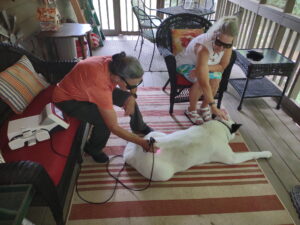
Sessions usually involve holding or placing a device near the affected area for a few minutes. No needles. No sedation. No strange smells. Pets often stay calm, especially after a few sessions.
This low-stress factor is a big reason owners keep up with treatment. When care does not feel like a struggle, consistency becomes easier, and consistency is where results tend to show.
5. It Fits Into Home Care Routines
Life is busy. Between work, family, and daily responsibilities, frequent vet visits can be hard to manage. Many red light therapy devices are designed for home use, which changes everything.
While some owners can treat their pets on their own schedule, others do sessions in the evening while watching TV. This flexibility keeps care realistic rather than idealistic.
Over time, pets often learn the routine and accept it as part of daily life. That familiarity helps owners stick with treatment longer than they might with clinic-only options.
6. Owners See Meaningful Behavioral Changes
Pain changes behavior before it shows up on scans or tests. Pets in discomfort may withdraw, sleep more, or lose interest in play. When pain eases, behavior shifts back.
Owners using red light therapy often mention these changes first. A dog brings back a favorite toy. A cat jumps onto a window ledge again. These signs feel personal and reassuring.
From experience, those behavior changes build trust in the process. Owners feel they are responding to what their pet is showing them, not just chasing symptoms.
Bringing It All Together
Red light therapy sits at the intersection of comfort, science, and practicality. It does not replace veterinary care, but it complements it in ways that make sense for everyday pet life.
As awareness grows, more owners are asking informed questions and looking for guidance from trusted sources. Educational resources from companies like MedCovet help bridge that gap, offering clear explanations that support better decisions.
Pain may be part of a pet’s journey, especially with age or injury, but it does not have to define it. For many owners, red light therapy has become a steady, reliable way to support comfort, movement, and quality of life, one calm session at a time.