
7 Best Crunchy Treats for Dogs for 2026
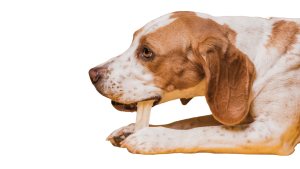
If your dog perks up the second they hear a bag crinkle, there’s a good reason for it. Crunchy treats hit a different spot than soft chews. They snap instead of squish, they take a few extra bites to finish, and that extra chewing does real work on plaque buildup along the gumline.
But “crunchy” isn’t a quality label. Plenty of crunchy dog biscuits lean on wheat flour and molasses to get that snap, with real protein showing up somewhere in the middle of the ingredient list instead of at the top. Others build the crunch around actual meat, cheese, or produce.
This guide breaks down seven of the best crunchy treats on the market right now, starting with the ones built around real, single-ingredient nutrition and working through the more conventional biscuit options.
What Makes Crunchy Dog Treats Worth Buying
Not toxic doesn’t mean good for your dog. That’s true for dinner, and it’s true for treats. A crunchy biscuit padded out with wheat flour, corn syrup, and caramel color isn’t going to hurt most dogs in small amounts, but it’s also not doing them any favors. It’s just calories with a satisfying sound attached.
The better question to ask isn’t “will this hurt my dog” it’s “does this actually add anything?” A few things separate a genuinely good crunchy treat from a filler biscuit:
- A real protein or whole-food ingredient near the top of the list, not several spots down from flour and molasses
- No unnecessary fillers like corn, wheat, or added sugar that bulk up the bag without adding nutrition
- A reasonable calorie count per treat, since crunchy treats are easy to overfeed without noticing
- Actual dental value, which comes from the biting and gnawing motion, not just a hard texture
Keep the 10% rule in mind while you shop. Treats, crunchy or otherwise, should stay under 10% of your dog’s daily calories. A treat with real nutritional value is a much better use of that 10% than one that’s mostly wheat flour and molasses.
Pupford Crunchies
Pupford’s Crunchies line (Cheddar Cheese, Gouda, Chicken and Sweet Potato, and Peanut Butter) is built around a simple idea. A crunchy treat should be made from real cheese or real meat with simple ingredients and high-quality ingredients, not wheat and molasses dressed up to taste like it. Every flavor is oven-baked, free from wheat, and skips the artificial flavors, artificial additives, and junk fillers that show up in a lot of conventional biscuits.
This is the whole-animal, quality-first approach that runs through everything Pupford makes, with natural ingredients doing the real work. Rather than using cheap carbohydrate fillers to bulk out a bag, the crunch comes from real cheese or real protein doing double duty as both the flavor and the substance.
For a pup parent who reads ingredient labels critically, this is one of the best dog treats for ingredient transparency. And if your dog does better with a simpler, limited ingredient option, that can also be a smart choice for food sensitivities, especially since single-ingredient treats are ideal for dogs with sensitivities.
Blue Buffalo Health Bars
Blue Buffalo’s Health Bars are oven-baked biscuits made from barley, oatmeal, rye, and a named protein source like chicken meal, bacon, or dried egg, depending on the flavor. They skip corn, wheat, and soy, and they’re free from artificial preservatives like BHA. As hard treats, they may offer light support for dental health and help freshen a dog’s breath through chewing, though they aren’t a substitute for dedicated oral-care products that target fresh breath.
The ingredient list is a step up from a basic grocery-store biscuit, though grains still make up the bulk of the recipe rather than meat. A single bar runs around 70 calories, which is worth factoring in if you’re treating small dogs throughout the day and need to choose treats based on size and total daily calories.
Old Mother Hubbard Classic P-Nuttier Biscuits
Old Mother Hubbard has been baking these bone-shaped biscuits since 1926, and the P-Nuttier flavor leans on whole wheat flour, oatmeal, chicken fat, and real peanut butter. Apples and carrots round out the recipe, though whole apple slices should never be given with the seeds or core left in, and the biscuits are slow oven-baked rather than extruded.
This works better as an occasional reward than as one of the small, low-calorie training treats used repeatedly in training sessions, not a nutrition-forward pick. Wheat flour and oatmeal lead the ingredient list, well ahead of any named protein, and some versions include maltodextrin and caramel color depending on size and retailer. It’s a reliable, dog-approved biscuit, but it’s built for reward value more than ingredient quality.
Nutro Crunchy Dog Treats
Nutro’s Crunchy line comes in flavors like Peanut Butter and Mixed Berry, built around whole brown rice, oatmeal, and chicken meal. Each treat runs about 5 calories, which makes portioning simple during a longer training session, and small crunchy treats are ideal for training sessions because they work well as training rewards that are easy to portion and repeat. The recipes skip chicken by-product meal, corn, wheat, and soy protein.
Like most biscuit-style treats, brown rice and oatmeal lead the ingredient list ahead of the protein source. It’s a clean option among low-calorie treats, just not a protein-forward one. The best treats for training should be small, low-calorie, and tasty enough to hold a dog’s attention and reinforce positive behavior without adding too many calories, which also helps with weight management when used often.
How to Choose the Right One for Your Dog
Start with what your dog actually needs the treat to do, and choose treats based on whether your dog prefers crunchy rewards or softer treats. A working training session calls for something small and low-calorie, like Nutro’s Crunchy Treats or Charlee Bear. A reward-based, higher-value treat for good behavior at home can afford to be richer, like Pupford’s Cheddar or Gouda Crunchies. Some dogs focus better with high-value rewards, while others do just as well with crunchy treats during training sessions, and some may do better with chewy treats.
If your dog has a sensitive stomach issue or a grain allergy, skip anything with wheat or corn near the top of the ingredient list. Look for easily digestible, limited-ingredient options if you have concerns about digestive health. Hydrolyzed protein treats are often easier for dogs to digest, which can help dogs with stomach sensitivity or other gut-related concerns. That rules out the classic Old Mother Hubbard and Milk-Bone recipes for those dogs specifically, even though most dogs tolerate them fine. Rabbit is a novel protein sometimes used for dogs with food sensitivities or a special diet.
And always size the treat to the dog. A biscuit built for a 60-pound Labrador is a choking risk in pieces for a 10-pound terrier. Break larger treats down for small dogs and puppies, and if chewing ability is a concern, switch from very hard treats to softer textures instead.