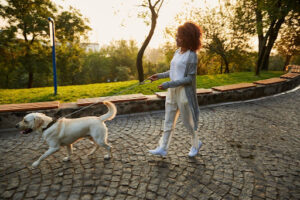
Every stroll is a thrill for your dog, but those paws often come back with stories you didn’t ask for. From sticky sidewalks to muddy grass, tiny hitchhikers like dirt, allergens, and even road salt cling to their feet. What looks like harmless fun can actually leave paw pads dry, cracked, or sore once the walk is over.
A quick clean after each outing doesn’t just keep your floors safe from muddy paw prints. It also gives you the perfect chance to notice little issues early, like cuts or irritations, before they become big problems. And the best part? Paw care is simple, gentle, and takes only a few minutes.
Walks bring joy, paw cleaning keeps it lasting. Ready to find out how to clean your dog’s paws safely after walks? The tips ahead will turn a messy routine into a simple habit that keeps tails wagging and paw pads happy.
7 Ways to Clean Your Dog’s Paws After Walks
1. Wipe With Pet-Safe Grooming Wipes
Anyone who has walked a dog after a rainstorm knows the scene: happy pup, muddy paw prints across the floor. Even on dry days, paws collect dust, pollen, and tiny bits of grit that end up inside your home.
A quick clean with grooming wipes made for dogs helps stop the mess at the door. Unlike baby wipes or cleaning products, pet-safe options are free of alcohol and perfumes that can irritate paw pads.
When cleaning, it helps to gently spread the toes and reach the creases where pebbles or grass often get stuck. Dogs that walk on salted streets in winter or run through freshly cut lawns can carry home residues that aren’t always visible, and Pogi’s point out that gentle paw wipes used daily can reduce irritation by lifting away grime and allergens while preserving the natural moisture in paw pads.
2. Rinse With Lukewarm Water
Wipes handle light dirt, but when paws are caked with mud or coated in road salt, nothing works better than a rinse. Lukewarm water is gentle on sensitive paw pads while still strong enough to loosen grime that clings after a long walk.
You don’t need a complicated setup. A shallow bowl works for small dogs, and for bigger breeds, a quick spray from the sink or a gentle stream from a hose does the trick. Always check the temperature with your hand first, since paws can be more delicate than they look.
As you rinse, move your fingers between the pads to free tiny pebbles or clumps of dirt. If the paws are especially messy, a drop of pet-safe soap can help, but avoid overusing shampoo since it strips away natural oils. Most days, plain warm water is all it takes to keep paws clean and comfortable.
3. Check Between Paw Pads for Debris
Ever notice how your dog sprints across a field without a care, only to limp a little once they stop? That sudden change often comes from something tiny wedged between their paw pads. Grass awns, thorns, and gravel can sneak into those soft folds like uninvited guests. They may look harmless, but left behind, they can scratch the skin or even trigger infections.
Instead of waiting for signs like licking or limping, make a habit of looking right after walks. Spread the paw pads gently and check the hidden spaces where debris likes to settle. Dogs who explore hiking trails or rough driveways are most likely to pick these up.
If you do find something, ease it out carefully with tweezers or wipe it away with a soft cloth. Catching it early keeps the adventure fun and saves your dog from unnecessary discomfort later.
4. Dry Paws Properly to Prevent Moisture Issues
You towel off after a shower, and your dog needs the same care after a wet walk. Leftover moisture between the toes might not seem like a big deal, but it can quickly turn into itchy paws or red patches caused by yeast or bacteria. Many owners only notice once the licking begins, but by then the irritation has already started.
Press a soft towel against each pad to soak up water and move gently through the folds where dampness hides. Dogs with fluffy coats or extra fur around their feet sometimes need more than a towel, and a low-heat pet dryer can help speed things up.
Drying is the finishing touch after every walk, a quick step that keeps paws fresh and prevents irritation caused by trapped water.
5. Trim Excess Fur Around Paws
Paws covered in fluffy fur might look charming, but that extra hair works like a sponge for dirt, snow, and debris. After a single walk through wet grass or slushy sidewalks, the fur between the toes can hold onto clumps that make cleaning a chore. In colder months, those same tufts can even form hard ice balls that irritate the pads.
Keeping the fur short solves the problem before it starts. Breeds with curly coats, like doodles, are prone to mats that wedge tightly between the pads, while long-haired dogs such as retrievers often trail in mud and grass through the feathering around their paws.
Pet-safe grooming scissors make trimming easier, but it’s important to move slowly and keep the blades angled away from the skin. Clearing the overgrowth means paws stay fresher, cleaner, and less likely to carry the outdoors straight onto your floor.
6. Avoid Harsh Chemicals and Human Products
The biggest danger to paws often shows up after the walk, not during it. Many household wipes and sprays contain alcohol, bleach, or perfumes that sting and dry the skin. Even products labeled as gentle for people can leave behind residues that cause trouble once a dog licks their feet.
Use pet-safe cleansers. Ingredients like oatmeal and aloe vera soothe minor irritation, while coconut oil and shea butter keep the pads soft. Some modern formulas even add prebiotics and probiotics, which help the skin stay balanced and healthy.
Swapping out harsh cleaners for pet-friendly options isn’t complicated. It means every cleanup keeps paws comfortable and avoids turning a routine habit into a hidden risk.
7. Apply Paw Balm for Protection After Cleaning
Freshly cleaned paws don’t stay that way for long once they hit the ground again. To keep paws comfortable after cleaning, a little balm works wonders. It works like a cushion, softening each step and giving the pads an extra layer of comfort.
Use a small amount after drying and massage it into the pads, almost like lotion for dogs. The balm keeps the skin flexible, so it doesn’t dry out or feel rough after regular walks. It also helps with seasonal challenges, from salted driveways in winter to endless stretches of concrete in summer.
Over time, this little ritual toughens the pads in a healthy way. Rather than drying, splitting, or staying sore, they stay smooth and resilient, ready for the next walk without skipping a beat.
Conclusion
Every adventure starts with paws hitting the ground, so keeping them clean is really about keeping the fun going. Dirt, salt, or hidden grit don’t stand a chance when you make paw care part of the daily routine. From a splash of water to a soft towel and a dab of balm, it’s the small touches that keep pads strong and happy.
What feels small to you means everything to your dog. Comfortable paws make walks longer, playtime easier, and cuddles at home less messy. Strong, healthy pads are the secret ingredient to a happier pup and a fresher home.