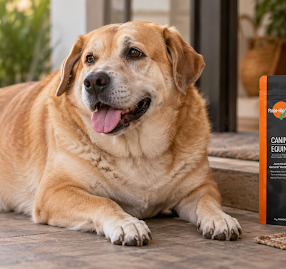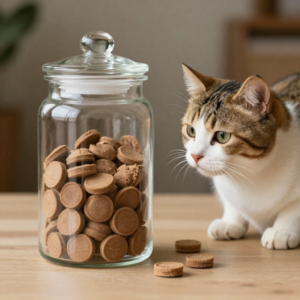
The global pet care industry has experienced remarkable growth over the past decade, and pet treats are one of the fastest-expanding product categories within it. According to industry data from the American Pet Products Association (APPA), pet owners in the United States alone spent over $62 billion on pet food and treats in 2023, with treats representing a significant portion of everyday pet nutrition and training routines.
As more households treat pets as family members, the demand for safe, nutritious, and high-quality treats continues to rise. For retailers, distributors, and online sellers, sourcing from reliable wholesale pet treat suppliers has become a key factor in maintaining both product quality and customer trust.
Understanding how wholesale pet treats are produced, evaluated, and distributed can help businesses make better sourcing decisions while ensuring pets receive treats that are both enjoyable and safe.
Why Pet Treats Play an Important Role in Pet Care
Treats are often associated with indulgence, but they serve several functional purposes in modern pet care.
-
Training and Behavior Reinforcement
Veterinarians and animal behaviorists frequently recommend treats as part of positive reinforcement training. Small, palatable treats can motivate dogs and cats to learn commands, reinforce good behavior, and build trust between pets and owners.
According to research published in the Journal of Veterinary Behavior, reward-based training improves learning outcomes while reducing stress in animals compared to punishment-based methods.
-
Nutritional Supplementation
Many modern treats provide more than just flavor. Functional treats may include:
- Omega fatty acids for skin and coat health
- Added vitamins and minerals
- Dental cleaning textures
- High-protein ingredients for muscle support
These functional benefits have contributed to the rapid expansion of premium treat categories.
-
Emotional Bonding
Treats also strengthen the emotional relationship between pets and their owners. Small daily rewards create positive interactions that reinforce the human-animal bond.
Because of this emotional connection, consumers are increasingly careful about ingredient transparency and product safety when selecting treats.
The Growing Global Demand for Pet Treats
Pet treat demand is expanding worldwide, particularly in regions where pet ownership is rising rapidly.
Market research from Grand View Research estimates that the global pet treats market could exceed $40 billion by 2030, driven by trends such as:
- Premiumization of pet food products
- Increased pet adoption
- Growth of e-commerce pet retail
- Demand for natural and protein-rich ingredients
Online platforms like Amazon, Chewy, and regional e-commerce marketplaces have made it easier than ever for retailers to access bulk products and expand their product offerings.
As a result, wholesale supply chains now play a critical role in connecting manufacturers with retailers, supermarkets, and specialty pet stores.
Key Factors When Choosing Wholesale Pet Treat Suppliers
For distributors and retailers, choosing the right supplier involves more than comparing prices. Several factors should be evaluated carefully.
Manufacturing Standards and Certifications
Quality manufacturers typically operate under internationally recognized food safety systems such as:
- BRC Global Food Safety Standard
- IFS Food Certification
- FSSC 22000 Food Safety System
- HACCP quality management systems
These standards help ensure that raw materials, production processes, and final products meet strict safety guidelines.
Regular third-party laboratory testing for issues such as heavy metals, pesticide residues, and microbiological contamination also helps ensure product safety.
Ingredient Quality and Transparency
Consumers increasingly prefer treats made with recognizable ingredients and high-protein sources, such as:
- Chicken
- Tuna
- Duck
- Beef
- Salmon
Hydrolyzed proteins, freeze-dried meats, and natural broths are also gaining popularity due to their high palatability.
Suppliers that provide clear ingredient lists and nutritional information help retailers build trust with pet owners who are paying closer attention to labels.
Product Variety and Market Trends
A strong wholesale supplier usually offers a broad range of treat formats to meet different market needs.
Popular treat categories include:
- Freeze-dried meat treats
- Soft training treats
- Dental chews
- Meat jerky strips
- Creamy lickable treats for cats
- Wet treat pouches or canned treats
Retailers benefit from carrying multiple formats that serve different pet lifestyles and dietary preferences.
Private Label and OEM Pet Treat Manufacturing
One of the fastest-growing opportunities in the pet industry is private-label pet treats.
Rather than selling only established brands, many retailers and distributors are launching their own product lines. Private labeling allows businesses to:
- Build brand identity
- Control pricing strategies
- Differentiate from competitors
- Create exclusive product formulations
Manufacturers offering OEM and ODM services help businesses customize:
- Ingredient formulas
- Flavor profiles
- Packaging design
- Treat shapes and textures
- Nutritional features
This flexibility allows retailers to create unique products that better match their market positioning.
For example, some suppliers such as https://matchwellpets.com/ specialize in manufacturing customized pet treats for international distributors and retail brands.
Quality Control in Modern Pet Treat Production
High-quality pet treat manufacturing involves several layers of inspection and quality management.
Most reputable factories implement a three-stage inspection system:
-
Raw Material Inspection
Incoming ingredients are tested for contaminants, moisture levels, and nutritional quality.
-
Production Monitoring
Manufacturing processes such as cooking temperature, moisture control, and sterilization are monitored to maintain consistency.
-
Third-Party Laboratory Testing
Independent laboratories verify the safety and nutritional content of finished products.
These procedures help ensure that treats meet regulatory standards in major export markets such as the United States, Europe, and Asia.
Safety Considerations for Pet Treats
When evaluating treats, veterinarians and pet safety experts generally recommend focusing on several key factors.
Portion Control
Treats should typically make up no more than 10% of a pet’s daily caloric intake, according to veterinary nutrition guidelines.
Ingredient Sensitivities
Some pets may have sensitivities to certain proteins or additives. Retailers should offer multiple protein options to accommodate different dietary needs.
Texture and Size
Treat size should match the size and chewing ability of the pet to reduce choking risks.
Providing clear feeding instructions on packaging helps ensure safe treat consumption.
Sustainability Trends in Pet Treat Manufacturing
Environmental responsibility is becoming an increasingly important factor for both consumers and retailers.
Manufacturers are responding with initiatives such as:
- Sustainable protein sourcing
- Reduced food waste through by-product utilization
- Recyclable packaging materials
- Energy-efficient production processes
Retailers who partner with environmentally responsible suppliers can better align with consumer expectations around sustainability.
The Future of the Wholesale Pet Treat Market
Looking ahead, several trends are likely to shape the future of the industry.
Human-Grade Ingredients
Many pet owners prefer treats made with ingredients similar to human food standards.
Functional Nutrition
Treats that support joint health, digestion, and skin health are gaining popularity.
Natural Flavor Enhancement
Techniques such as hydrolyzed proteins and natural meat broths improve palatability while maintaining ingredient transparency.
Custom Brand Development
Private label products are expected to continue expanding as retailers look for exclusive offerings.
Final Thoughts
Pet treats are more than simple snacks—they play an important role in training, nutrition, and bonding between pets and their owners.
For retailers and distributors, selecting the right wholesale pet treat supplier is essential for delivering products that meet both safety standards and consumer expectations.
By focusing on quality ingredients, transparent manufacturing processes, and responsible sourcing, businesses can provide treats that support healthy and happy pets.
As the pet care market continues to grow, reliable partnerships between manufacturers, wholesalers, and retailers will remain the foundation of a strong and trustworthy supply chain.