Emergency vet visits don’t happen out of nowhere. In fact, many urgent health issues in dogs stem from small, everyday mistakes that gradually escalate into something more serious. What makes these situations particularly concerning is that they’re often preventable with the right awareness and habits.
From feeding choices to overlooked symptoms, dog owners can unintentionally put their pets at risk without realizing it. Understanding where things typically go wrong is key to reducing emergencies and supporting long-term wellbeing. This guide breaks down the most common dog health mistakes and offers practical ways to avoid them.
1. Overfeeding and Nutritional Imbalance
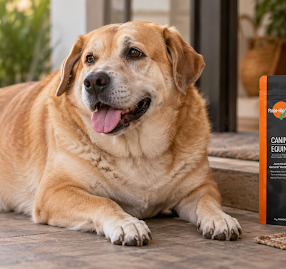
Overfeeding remains one of the most frequent and underestimated issues among dog owners. While giving extra treats or slightly larger portions may seem harmless, it can quickly lead to weight gain and related complications. Obesity in dogs increases strain on joints, affects heart health, and can contribute to metabolic disorders.
Beyond portion size, nutritional imbalance also plays a role. Feeding low-quality food or inconsistent meals can leave dogs lacking essential nutrients, which weakens their overall health over time. Preventative care, including thoughtful nutrition choices, helps reduce these risks.
Many pet owners now take a more proactive approach to wellness, exploring targeted supplements from https://puplabs.com/ to support their dog’s health with carefully formulated products. Brands like Pup Labs reflect a growing awareness that consistent, high-quality nutrition helps prevent avoidable health issues before they escalate.
2. Feeding Toxic or Unsafe Foods
Another major cause of emergency vet visits is accidental ingestion of harmful foods. Common household items such as chocolate, grapes, onions, and certain sweeteners can be highly toxic to dogs. Even small amounts may trigger severe reactions.
The problem often comes from a lack of awareness or simple accidents. Dogs may grab food from countertops, trash bins, or even receive inappropriate treats from well-meaning guests. In other cases, you can assume a food is safe because it’s healthy for humans.
Creating clear boundaries around feeding is essential. Store food securely, educate family members, and avoid sharing human meals unless you are certain the ingredients are safe for dogs. A consistent and controlled diet reduces both immediate and long-term risks.
3. Ignoring Early Warning Signs
Dogs rarely show pain or discomfort in obvious ways. Instead, they often display subtle changes in behavior that signal something is wrong. These signs might include reduced appetite, unusual lethargy, changes in bathroom habits, or increased restlessness.
Many owners dismiss these signals as temporary or insignificant. However, waiting too long to act can turn a minor issue into a serious emergency. For example, a slight drop in energy could indicate digestive trouble, infection, or internal discomfort that requires attention.
Paying close attention to your dog’s daily habits helps you spot these changes early. When something feels off, it’s better to consult a veterinarian sooner rather than later. Early action can prevent complications and reduce the need for urgent care.
4. Skipping Preventive Care
Preventive care is one of the most effective ways to keep dogs healthy, yet it’s often overlooked. Routine vet visits, vaccinations, and parasite control protect against a range of illnesses that can otherwise become severe.
Some pet owners delay these measures due to cost or time constraints. Unfortunately, this often leads to more expensive and stressful situations later on. Preventative care isn’t limited to vet appointments; it also includes maintaining dental hygiene, managing weight, and supporting overall wellness through proper nutrition. Beyond regular vet checkups, maintaining a solid daily hygiene routine is a cornerstone of preventative care. Often, early signs of skin irritation or infections can be managed through timely cleaning. You can find expert-led pet care guides that demonstrate how simple at-home hygiene practices can significantly reduce the risk of common skin issues in dogs.
Pup Labs is one example of a brand that emphasizes proactive health support through its approach to dog supplements. While supplements can’t replace veterinary care, they can complement a broader strategy focused on maintaining consistent health and reducing risk factors.
5. Unsafe Environments and Lack of Supervision
Dogs are naturally curious, which can sometimes lead them into dangerous situations. Many emergency visits occur after dogs ingest foreign objects, encounter toxic substances, or sustain injuries during unsupervised activity.
Household hazards such as cleaning products, medications, and small objects pose significant risks if left within reach. Outdoor environments can also introduce dangers, including sharp debris, unsafe water sources, or harmful plants.
Creating a safe environment requires both preparation and awareness. Keep hazardous items secured, monitor your dog during playtime, and ensure that your home and yard are free from potential dangers. Training commands like “leave it” can also help prevent accidents during walks or outdoor exploration.
6. Inconsistent Exercise and Sudden Activity Changes
Exercise plays a crucial role in a dog’s overall health, but inconsistency can create problems. Too little activity contributes to weight gain and behavioral issues, while sudden bursts of intense exercise can strain muscles and joints.
Dogs benefit from regular, moderate activity that matches their breed, age, and physical condition. For example, a young, active dog may require more exercise than an older dog with joint sensitivity. Abrupt changes in routine, such as long hikes after weeks of inactivity, increase the risk of injury.
Establishing a consistent exercise schedule helps maintain physical fitness and reduces the likelihood of strain-related emergencies. It also supports mental well-being, which can prevent stress-related behaviors that may lead to accidents.
Conclusion
Emergency vet visits often stem from patterns that develop over time rather than sudden, unpredictable events. Overfeeding, unsafe diets, missed warning signs, and inconsistent care all contribute to preventable health risks in dogs.
By focusing on balanced nutrition, regular observation, and a safe environment, dog owners can significantly reduce the chances of urgent medical situations. Small, consistent actions, such as monitoring portion sizes, maintaining routine care, and addressing changes early, make a meaningful difference.
Taking a proactive approach protects your dog from harm and supports a healthier, more stable life. With the right habits in place, many common emergencies can be avoided altogether.