Bringing a dog into a new home is one of the most exciting things a pet owner can experience. But while you’re busy setting up the food bowl and picking out toys, your dog is processing something much bigger. New smells, new sounds, new people, new rules. For a dog, a change in environment can be overwhelming, and the stress that comes with it is traceable to psychological and behavioral causes.
A 2022 study published in Scientific Reports by researchers at Utrecht University tracked cortisol levels in 52 shelter dogs using hair samples collected at intake, after six weeks in the shelter, and again after adoption. The dogs entered shelters with cortisol levels comparable to other domestic dogs, but those levels rose significantly over six weeks. The good news? Once the dogs were placed in stable homes, their cortisol dropped at roughly the same rate, returning to baseline by about six months post-adoption.
The takeaway is clear: environmental upheaval genuinely elevates stress in dogs, and being on the receiving end of consistently patient care brings it back down. While that process takes time, knowing what to look for along the way and applying the right solutions can make a huge difference.
Recognizing the Signs of Stress
Dogs communicate stress in ways that might be easy to miss if you aren’t paying attention.
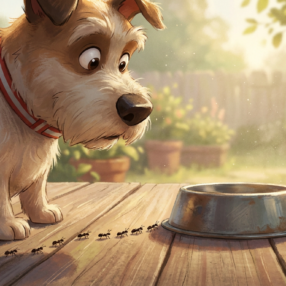
- Changes in appetite are among the first things you might notice. A dog who refuses food or eats far less than usual in a new setting isn’t being picky. Their system is on high alert, and digestion takes a back seat when a dog feels unsafe. On the flip side, some dogs stress-eat or gulp food rapidly, which can lead to digestive upset.
- Excessive panting, drooling, or yawning outside of physical exertion or tiredness can all point to anxiety. These are calming signals, ways your dog tries to self-soothe. Lip licking when there’s no food around falls into this category too.
- Hiding, cowering, or refusing to explore is another common response. A dog pressed into a corner or tucked behind furniture is telling you they’re not ready to engage with the space yet. Pushing them to come out or forcing interaction can make things worse.
- Destructive behavior and house soiling often get labeled as disobedience, but in a new environment, they’re almost always stress responses. A dog chewing door frames or having accidents indoors may be dealing with separation anxiety, territorial uncertainty, or plain sensory overload.
- Hypervigilance is worth watching for as well. If your dog startles at every sound, paces from room to room, or can’t seem to settle, they’re stuck in a heightened state of arousal. Their nervous system hasn’t yet determined that this new place is safe.
Less obvious signs include shedding more than usual, tucking the tail, pinning back the ears, and whale eye (showing the whites of their eyes). Each of these is a piece of body language that, taken together, paints a picture of a dog under pressure.
What You Can Do to Help
Start Small
Rather than giving your dog the run of the entire house on day one, set up a single room or area with their bed, water, a few safe toys, and access to you. Let them build familiarity with one space before expanding their world. This is especially helpful for rescue dogs or dogs coming from shelters, where overstimulation has already been a constant.
Keep Your Own Stress in Check
This one might sound surprising, but research from Queen’s University Belfast found that changes in an owner’s heart rate predicted changes in their dog’s heart rate during exposure to new environments. If you’re anxious, rushing around, or tense, your dog picks up on it. Taking a few deep breaths, moving slowly, and speaking in a calm voice can help your dog feel more relaxed in your home.
Avoid Flooding Your Dog with New Experiences
It’s tempting to introduce them to every neighbor, take them to the dog park, or start obedience classes right away. But too much novelty too soon can push a stressed dog further into anxiety. Let introductions happen gradually, one new person or one new experience at a time, with plenty of downtime in between.
Use Enrichment Wisely
Puzzle feeders, snuffle mats, and lick mats can help redirect anxious energy into a focused, calming activity. Licking and sniffing both activate the parasympathetic nervous system, which helps a dog settle.
Consider Professional Training Support
Once your dog has had a few weeks to decompress and start finding their footing, structured training can reinforce the stability you’ve been building at home. For puppies especially, early professional guidance helps prevent stress-related habits from becoming long-term patterns.
Programs like the Stay & Train offered by honestpet.com place puppies with certified trainers in a home environment, surrounded by children, other pets, and everyday household activity, so they learn to stay calm and responsive in the middle of normal family life rather than in an isolated kennel setting. That kind of immersive, positive-reinforcement approach pairs well with everything you’re already doing at home to reduce stress and build confidence.
Know When to Seek Veterinary Help
If your dog’s stress signs persist beyond a few weeks, escalate into aggression, or include prolonged refusal to eat, it’s worth consulting a veterinarian or a certified animal behaviorist. Some dogs carry trauma from previous environments that requires more targeted intervention than time alone can provide.
Conclusion
The science tells us that dogs experience measurable, hormonal stress when their environment changes, and that this stress resolves over weeks and months in a supportive home. Your job during that window is to create the conditions where your dog can find their balance: a calm household, gradual exposure, and the freedom to go at their own speed.
References
- van der Laan, J. E., Vinke, C. M., & Arndt, S. S. (2022). Evaluation of hair cortisol as an indicator of long-term stress responses in dogs in an animal shelter and after subsequent adoption. Scientific Reports, 12, 5117.
- Byrne, A., & Arnott, G. (2024). Empathy or apathy? Investigating the influence of owner stress on canine stress in a novel environment. Applied Animal Behaviour Science, 106403.