Choosing the best dog training treats can feel overwhelming with hundreds of options lining pet store shelves. The right training treats make all the difference. They keep your dog motivated and make training sessions enjoyable for both of you, so understanding what makes a great training treat is essential for success at every stage of your dog’s learning journey
Benefits of Dog Training Treats
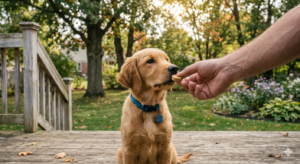
Food-based rewards are some of the most powerful tools in positive reinforcement training. When you reward your dog immediately after good behavior, you create positive associations that help them understand exactly what you want. Most dogs are food-motivated, making treats highly effective for capturing attention and encouraging cooperation during training sessions.
Speeding Skill Acquisition
The beauty of treat-based training is timing. Unlike verbal praise alone, treats provide an instant, tangible reward that your dog can connect directly to the behavior you’re reinforcing.
Food rewards actually help dogs focus and learn faster than almost any other training method. High-value treats increase motivation, especially when you’re working on challenging behaviors or distracting environments. When paired with praise and play, treats create a comprehensive reward system that helps them pick things up faster.
What Are High-Value Treats?
High-value treats are simply the foods your dog loves most and will work hardest for. These differ from regular dog food or kibble, which your pup gets every day. Professional dog trainers often use a reward hierarchy for dogs they work with, saving the most coveted treats for new skills and challenging situations while using lower-value rewards for familiar commands.
Assessing What Your Dog Loves
Which treats are high-value will ultimately be decided by your pup. Every dog finds different flavors motivating. You’ll be able to observe which food your pup gets most excited about when you see wide eyes, a wagging tail, and a lot of excitement when the treat comes out. Try different treats to discover what your dog likes best. Some dogs go wild for cheese, while others prefer fish or liver. This personal preference matters more than any expert recommendation.
Traits Professional Dog Trainers Prioritize
While the preferred flavor is up to your dog, when selecting training treats, dog trainers agree that the best treats for training have these specific characteristics:
- Size: Small pieces (pea-sized or tiny pieces) allow frequent rewards without overfeeding your dog between meals.
- Texture: Soft treats enable quick consumption, so your dog can eat fast and refocus on training rather than spending time chewing.
- Palatability: Real meat options like freeze-dried liver, chicken, beef, and cheese are irresistible to most dogs.
- Calories: Fewer calories mean more repetitions per training session without guilt or health concerns. While treats are invaluable training tools, they should represent no more than 10% of your dog’s daily food intake.
- Convenience: The best treats are easy to carry, non-greasy, and don’t crumble in your pocket or treat pouch.
Best Dog Training Treats
The best treats on the market balance high-value appeal with practical considerations like price, availability, and nutritional quality.
1. Pupford Freeze-Dried Training Treats – Best Overall
Pupford training treats stand out for their single-ingredient purity and exceptional portion control. At just 1 calorie per treat, they’re perfect for extended training sessions without worrying about calories. The freeze-dried beef liver, chicken breast, and salmon options contain no additives, fillers, or artificial preservatives, and they break into tiny pieces easily for precise rewarding.
2. Zuke’s Mini Naturals – Best for Sensitive Stomachs
Zuke’s Mini Naturals excel with their gentle, easily digestible formula that’s ideal for dogs with sensitive stomachs. The soft, moist texture allows for quick consumption during rapid-fire training sequences, and at only 3 calories per pea-sized treat, you can reward frequently without guilt. Real meat as the first ingredient (chicken, pork, or salmon) delivers the protein-forward nutrition dogs crave, with no corn, wheat, or soy fillers to cause digestive upset.
3. Stewart Freeze-Dried Treats – Most Irresistible to Picky Dogs
Stewart Freeze-Dried Treats deliver unmatched aromatic intensity that even the pickiest eaters can’t resist. The pure, single-ingredient protein options (beef liver, chicken liver, or chicken breast) create an extremely high-value reward that’s perfect for challenging training situations or breaking through stubborn behaviors. Their lightweight, non-messy format makes them the top choice for professional trainers working in competitive obedience and agility settings.
4. Wellness Soft Puppy Bites – Best for Puppies and Seniors
Wellness Soft Puppy Bites feature an extra-soft texture that’s gentle on developing puppy teeth and aging senior mouths alike. The grain-free formula with real lamb and salmon provides complete nutrition in every bite, while the small size encourages quick eating, helping training momentum stay strong. Made in the USA with natural ingredients and no artificial preservatives, these treats support healthy development from puppyhood through the golden years.
5. Bil-Jac Little Jacs – Best Value for Daily Training
Bil-Jac Little Jacs offer unbeatable value for pet owners who train daily and need bulk quantities. These tiny treats (smaller than a dime) feature slow-cooked real chicken that preserves nutrients while enhancing flavor at a price point that won’t break the bank. They’re the go-to choice for budget-conscious trainers who refuse to compromise on quality.
6. Additional Options
Blue Buffalo Blue Bits stand out for their nutritional enhancement. LifeSource Bits are packed with antioxidants, vitamins, and minerals turn every training reward into a health boost. Multiple protein options keep variety high.
Crazy Dog Train-Me! Treats deliver irresistible bacon flavor at just 1.5 calories per treat, making them a budget-friendly powerhouse for bacon-loving dogs who need extra motivation.
Pure Bites offer human-grade quality in 100% pure, single-ingredient formulations, the cleanest option for health-conscious pet owners who want complete transparency about what their dogs consume.
Charlee Bear provides the only crunchy texture option on this list, perfect for dogs who prefer something with more bite. At 3 calories per treat and less than 1% fat, they’re excellent for weight management during training.
Final Recommendations: Choosing The Right Treats For Your Dog
Finding the best dog training treats comes down to three key factors: size, calories, and palatability. Small, low-calorie treats you can use frequently without guilt will always outperform large, high-calorie options. Your dog loves certain flavors more than others. Discovering these preferences unlocks better training results.
Experiment with different options to find what motivates your individual pup. Every dog is unique, and the reward that makes your neighbor’s dog do backflips might leave yours unimpressed. The beauty of training treats is that discovering your dog’s favorites lets you bond with them along the way!
Dog Training Treats: Frequently Asked Questions
What are the best dog training treats for puppies?
Puppy treats should be low-calorie, soft, and tiny enough for small mouths and stomachs. Pupford Freeze-Dried Training Treats work great because you can break them into puppy-appropriate sizes. Look for soft treats under 3 calories that won’t fill up your puppy too quickly during puppy training sessions.
How many training treats can I give my dog per day?
Training treats should make up no more than 10% of your dog’s daily caloric intake, so the exact number depends on the treat size and your dog’s weight. During intensive training sessions, reduce regular dog food portions to compensate. Choosing treats with fewer calories allows more repetitions without exceeding healthy limits.
Can I use regular kibble as training treats?
Yes, kibble works well for familiar commands and low-distraction environments. However, you’ll need high-value treats when working on more complex skills. Many successful dog training programs use kibble for basic practice and reserve special treats for challenging situations.
What makes a treat “high value”?
High-value simply means whatever your dog finds most motivating. Every dog has individual preferences. Common high-value foods include real meat, cheese, freeze-dried liver, and hot dogs. A food-motivated dog might work enthusiastically for anything edible, while picky eaters require extra-special rewards. Observe what makes your dog most excited.
Can I use human food like cheese or chicken?
Yes, many human foods make excellent training treats when used safely. Cheese, chicken, sweet potato, and certain fruits are well suited to small portions. Avoid toxic foods like chocolate, grapes, onions, and anything containing xylitol. Always research before sharing human food with your dog, and account for these calories in their daily intake.