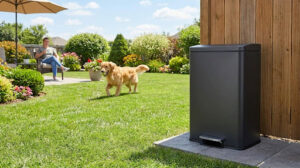
Every dog owner has dealt with the same frustration: bagged waste sitting in a bin that turns the backyard into an odor zone. Outdoor dog poop trash cans address this problem with sealed lids, odor-locking liners, and materials engineered to contain waste gases even in direct sunlight. This guide explains how these bins control smell, what features separate effective models from basic ones, and how to maintain peak odor performance year-round.
How Do Outdoor Dog Poop Trash Cans Contain Odor?
Dog waste produces ammonia, hydrogen sulfide, and volatile fatty acids that intensify with heat and moisture. A standard trash can lets these gases escape through loose lids and porous walls. Dedicated outdoor dog poop trash cans use a combination of mechanical seals, barrier materials, and liner chemistry to trap those compounds inside the bin.
Finding a bin that actually blocks smell starts with choosing one built for pet waste specifically. Brands like Pet Genie offer a dedicated outdoor dog poop trash can with odor-locking technology designed to seal in waste gases between pickups. That purpose-built containment keeps yards usable without the background odor that standard bins leave behind.
The result is a contained system where waste gases stay locked in until collection day. That’s what separates a purpose-built dog waste bin from a regular outdoor trash can.
What Causes Dog Waste to Smell Outdoors?
Dog feces contain sulfur-producing bacteria that break down proteins in the digestive tract. Once exposed to air and sunlight, these bacteria accelerate decomposition and release concentrated odor compounds.
Moisture plays a direct role. Rain, humidity, and morning dew create conditions that intensify bacterial activity inside the bin. A bag of waste that smells moderate on a cool morning can become overwhelming by afternoon in direct sun.
Temperature amplifies the cycle. Every 10-degree rise roughly doubles the rate of bacterial decomposition. That’s why summer months are the most challenging for outdoor waste storage.
How Sealed Lids and Gaskets Block Odor Escape
The lid is the first line of defense. Effective outdoor dog poop trash cans use compression-fit lids or spring-loaded clamps that create an airtight seal when closed. Rubber gaskets along the rim prevent gas from seeping through the lid-to-bin junction.
Some models add a secondary internal flap. This two-stage opening lets you drop waste in without exposing the full bin cavity to open air. The inner flap closes behind each deposit, keeping accumulated gases contained below.
Pedal-operated lids offer a hands-free advantage while maintaining the seal. The mechanism opens just enough for disposal and snaps shut immediately after, minimizing the window for odor escape.
What Role Do Odor-Neutralizing Liners Play?
Standard trash bags are designed for volume, not odor containment. Odor-neutralizing liners use multi-layer film with activated carbon or baking soda infusions that absorb volatile compounds on contact.
These liners create a chemical barrier between the waste and the bin interior. When gases pass through the bag wall, the neutralizing layer intercepts and binds them before they reach the lid seal.
Scented liners add a second approach by masking residual odor with botanical or enzyme-based fragrances. The most effective liners combine both absorption and masking for layered protection.
What Features Should You Look for in an Odor-Proof Dog Poop Bin?
Not every outdoor dog poop trash can delivers the same level of odor control. The difference comes down to 3 core features: the locking mechanism, the materials, and the capacity matched to your household’s needs.
Lid Locking Mechanisms and Clamp Systems
A friction-fit lid works for light use, but households with multiple dogs need something stronger. Clamp-style locking mechanisms apply consistent pressure around the entire rim, eliminating the weak points that standard lids leave open.
Twist-lock systems offer a middle ground. They’re faster to operate than clamps but still provide a tighter seal than snap-on lids. Look for models where the lock engages automatically when the lid closes.
Weighted lids add gravity to the equation. The extra mass keeps the seal compressed even in windy conditions that might lift a lighter lid and release trapped gases.
UV-Resistant and Non-Porous Materials
Plastic bins exposed to direct sunlight degrade over time. UV radiation causes micro-cracking in standard polyethylene, creating tiny escape routes for odor molecules. UV-stabilized materials resist this breakdown and maintain their structural integrity across seasons.
Non-porous surfaces prevent odor absorption into the bin walls. Once a porous material absorbs waste residue, no amount of cleaning fully removes the embedded smell. Smooth, sealed interior surfaces allow complete wipe-downs that reset the bin to a neutral state.
Stainless steel bins offer the highest resistance to both UV damage and odor absorption. They cost more upfront but eliminate the material degradation cycle.
Capacity and Bag Compatibility
A bin that fills up too fast forces more frequent emptying or, worse, overstuffing that compromises the lid seal. Match the bin size to your dog count and pickup frequency. A single medium-sized dog generates roughly 0.75 pounds of waste per day. Two dogs double that output.
Bag compatibility matters for convenience. Bins designed for proprietary refill bags lock you into a single supply chain. Models that accept standard tall kitchen bags or universal pet waste liners give you flexibility and lower ongoing costs.
Overfilling is the most common odor mistake. When waste presses against the lid, the seal can’t compress fully. Leave at least 2 inches of clearance between the waste line and the lid for consistent odor control.
Where Should You Place an Outdoor Dog Poop Trash Can?
Placement affects odor performance as much as the bin itself. The same trash can will smell noticeably different depending on where it sits in your yard.
Sun Exposure and Temperature Effects on Smell
Direct sunlight heats the bin’s interior well above ambient temperature. A black bin in full sun can reach internal temperatures 20-30 degrees higher than the surrounding air. That heat accelerates decomposition and puts maximum pressure on the seal and liner.
Shaded placement reduces internal temperature and slows bacterial activity. Position the bin under a tree, beside a fence, or on the north side of a structure where it receives minimal direct exposure during peak afternoon hours.
Partial shade offers a practical compromise for yards without full coverage. Morning sun followed by afternoon shade keeps the bin accessible while avoiding the hottest part of the day.
Distance from Living Areas and Neighbors
Place the bin at least 15 feet from outdoor seating areas, patios, and open windows. Even well-sealed bins release a small burst of odor each time the lid opens for a new deposit. Distance gives those brief releases room to dissipate before reaching living spaces.
Wind direction matters. Position the bin downwind from gathering areas so prevailing breezes carry any escaped odor away from, not toward, the spaces you use most.
Neighbor courtesy follows the same logic. If the bin sits near a property line, angle it so the opening faces away from the adjacent yard. A few feet of buffer combined with smart orientation prevents most complaints.
How to Maintain an Outdoor Dog Poop Trash Can for Maximum Odor Control
A high-quality bin still needs regular maintenance. The seal, liner, and interior surfaces all lose effectiveness without periodic attention.
Cleaning Schedule and Deodorizing Tips
Rinse the interior with a garden hose every time you swap the liner. Residual waste stuck to the walls builds up a baseline odor that no lid seal can fully contain. A quick rinse prevents that accumulation.
Deep clean the bin every 2 weeks with a mix of white vinegar and water (1:1 ratio). Vinegar neutralizes ammonia and dissolves organic residue without leaving chemical scents that compete with the liner’s odor-locking properties.
Baking soda sprinkled at the bottom of a fresh liner absorbs moisture and odor between cleanings. A thin layer under the first bag deposit extends the effective life of each liner change.
When to Replace Liners and Filters
Odor-neutralizing liners lose their active compounds over time, even before they’re physically full. Replace liners at least once per week regardless of fill level. In summer months, swap every 3-4 days to stay ahead of accelerated decomposition.
Carbon filters in lid-mounted ventilation systems have a defined lifespan, usually 30-60 days, depending on the manufacturer. A filter past its effective window does nothing but add a false sense of security. Mark replacement dates on your calendar.
Gaskets and seals wear from UV exposure and repeated compression. Inspect them monthly and replace any gasket that shows cracking, flattening, or gaps. A worn gasket is the single fastest path to a smelly bin.
Common Mistakes That Make the Smell Worse
Using unbagged waste is the top offender. Loose feces coat the bin interior with residue that’s difficult to remove and creates a persistent baseline odor. Always bag waste before depositing it, even with a lined bin.
Mixing yard waste with dog waste creates a compost-like environment that amplifies bacterial activity. Keep grass clippings, leaves, and food scraps in a separate container.
Leaving the lid propped open “to air out” the bin has the opposite effect. Open lids invite moisture, insects, and temperature fluctuations that worsen odor. The bin works best when the seal stays engaged between deposits.
Are Outdoor Dog Poop Trash Cans Worth the Investment?
The price difference between a dedicated dog waste bin and a regular trash can raises a fair question. The answer depends on how much odor disrupts your outdoor routine.
Cost Comparison: Dedicated Bins vs. Regular Trash Cans
A standard outdoor trash can costs between $20 and $40. A purpose-built outdoor dog poop trash can with odor-locking features typically ranges from $40 to $80. The premium covers the sealed lid mechanism, non-porous materials, and compatibility with odor-neutralizing liners.
Ongoing costs include replacement liners and occasional gasket swaps. Budget roughly $5-10 per month for liners, depending on dog count and swap frequency. That’s comparable to what most owners already spend on standard waste bags.
The hidden cost of a regular trash can is replacement frequency. Odor-saturated porous plastic bins need replacing every 1-2 seasons. A UV-resistant, non-porous dedicated bin lasts 3-5 years with proper maintenance.
Long-Term Odor Reduction and Convenience
Consistent odor control changes how you use your yard. Patios, play areas, and garden spaces near the bin become usable again without the lingering background smell that drives people indoors.
Routine waste pickup becomes faster with a bin designed for the task. Hands-free pedal lids, wide openings, and bag-compatible interiors reduce the per-trip handling time from a chore to a 5-second stop.
The convenience compounds with multiple dogs. Higher waste volume magnifies every advantage a dedicated bin provides over a generic alternative.
Frequently Asked Questions About Outdoor Dog Poop Trash Cans
How often should you empty an outdoor dog poop trash can?
Empty the bin at least once per week for a single dog. Households with 2 or more dogs should empty every 3-4 days. In summer, increase frequency by 1-2 days to account for heat-accelerated decomposition. A bin that sits beyond its capacity compromises the lid seal and overwhelms the liner’s odor-neutralizing properties.
Can outdoor dog poop trash cans handle multiple dogs?
Yes, with the right capacity. Look for bins rated at 13 gallons or larger for multi-dog households. The key is maintaining clearance between the waste line and the lid. Two large dogs can fill a small bin in 3 days, so match bin size to your actual daily output and adjust your emptying schedule accordingly.
Do outdoor dog poop trash cans work in extreme heat or cold?
They work in both, with adjustments. In extreme heat (above 90°F), increase liner changes and move the bin to shade to slow decomposition. In freezing temperatures, waste decomposes much more slowly, so odor is naturally reduced. The main cold-weather concern is gasket stiffening, which can weaken the seal. Silicone gaskets outperform rubber in sub-freezing conditions and maintain flexibility down to -40°F.