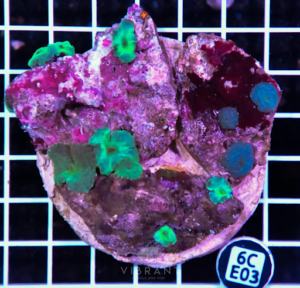
Buying coral online is pretty standard in the hobby now. Online vendors carry way more variety than most local fish stores can fit on their racks, the prices are usually fair, and there’s no denying it’s convenient to have livestock show up at your door. That said, ordering live coral isn’t like ordering household goods or office supplies. Coral is a living animal, and it reacts badly to stress, bad water, and rough handling. When an order goes sideways, you can be out the money, out the coral, and sometimes dealing with a pest or disease you’ve just introduced to a tank you spent months dialing in.
When you do it right, though, it works great. Here’s how.
Get your tank ready first
Obvious, maybe, but worth saying: your tank needs to be stable before you order anything. A freshly cycled tank, one that’s recovering from a crash, or one whose parameters bounce around, is a rough place to drop a coral that’s just spent a night in a box. The shipping itself is hard enough on them. Pile unstable water chemistry on top of that, and you’re cutting the coral’s odds way down.
So before you place an order, make sure your alkalinity, calcium, magnesium, salinity, and temperature have held steady for at least a few weeks, adds Matt’s Corals & Service. Know where your phosphate and nitrate sit, too. If you’re into SPS – Acropora, Montipora, and the rest – the standard is higher still, because they react to swings that a softie would barely notice. Shipping stress on its own is enough to cause polyp recession, tissue loss, or bleaching in a coral that would’ve done fine in a steady system.
Know the different types you can buy
Coral doesn’t all behave the same way once it’s in your tank, and the category you’re shopping should match your experience and your setup.
Soft corals – leathers, zoanthids, mushrooms, that crowd – are usually the most forgiving. They put up with wider swings, do okay under moderate light and flow, and tend to bounce back from shipping faster than the stony stuff. That’s why most people start here, and it’s a sensible place to start.
LPS corals (the large polyp stony ones: hammers, torches, brains, chalices) land somewhere in the middle. They’re fussier than softs but pay you back with that big flowing movement and serious color. An intermediate hobbyist with a decent system can keep them without much trouble.
SPS corals – small polyp stony, mostly Acropora and Montipora – are where things get demanding. They want stable, near-spotless water, strong flow, and bright light. They also tend to be the most expensive things you’ll buy online, so a botched acclimation hurts more. If you’re new, build toward SPS instead of jumping straight in.
Knowing which bucket you’re shopping in helps you tell whether a given piece suits your tank, and whether the seller’s care notes line up with what you already know about that type of coral.
Understand the term WYSIWYG
One term you’ll run into constantly is WYSIWYG, which stands for “what you see is what you get.” A WYSIWYG listing means the photo on the page is the actual coral you’ll receive. No generic stock image, no “we’ll send you one like this.” That exact frag or colony is the one that ships.
For coral, that’s a big deal, because color can vary wildly inside a single species. Two Acropora tortuosa frags off the same reef can look nothing alike, depending on their genetics and how each one was grown out. A WYSIWYG listing takes the guessing out of it, so you’re not opening the bag to find a coral that looks nothing like the picture.
Non-WYSIWYG listings (you’ll see these as “frag packs,” or just listed by species name) are fine if you’re filling out a tank on a budget. Just go in knowing you’re buying a species, not a specific piece.
Pay attention to how the coral was shot, too. A photo taken under heavy blue or purple lighting can make almost anything look unreal. A good seller either shoots under balanced white light or tells you what lighting they used, so you can adjust your expectations.
Check out the seller before you buy
The online coral world runs the whole range, from professional aquaculture facilities with tight quality control all the way down to a guy fragging in his garage with a phone and a PayPal link. You can get great coral from either one. But knowing which you’re dealing with tells you how much to expect and how hard to look.
With the bigger retailers, look at how they source. Do they quarantine incoming coral before they list it? A 30 to 60 day hold is normal at the better operations, which is long enough for pests and pathogens that you’d never spot at purchase to show themselves. A shop that buys coral, snaps a photo that same week, and lists it right away is giving you a lot less reassurance.
Find their live arrival guarantee and read it. An LAG means the seller will replace or refund coral that shows up dead, as long as you follow their claim process. That usually means photographing the coral in the unopened bag inside a set window after delivery. Read the fine print first, because the terms vary: some want photos within an hour, some want the bag still sealed, some have carve-outs for weather or carrier delays they can’t control. A tight window isn’t a dealbreaker by itself. A seller offering no guarantee at all is the thing to worry about.
Reputation counts for a lot here. The reef forums – Reef2Reef is the busiest – have vendor review threads where people write up their orders in real detail. Spend ten minutes reading reviews of a seller you’re considering, and you’ll learn things the website will never tell you: did the corals show up looking like the photos, how did support handle it when something went wrong, did anything nasty hitch a ride in the box?
On shipping
Coral basically only ships FedEx Priority Overnight, and for good reason. It can’t sit in a box for days. Most decent sellers ship Monday through Wednesday, so the package isn’t stuck in a hub over the weekend. Some let you pick your delivery date, which is great when you know your week and can be home to grab the box the second it lands.
Temperature is the other thing that makes or breaks a shipment. Coral leaving Florida in July ships very differently from coral headed to Ohio in January. Good sellers handle this with heat packs or cold packs based on the weather at both ends. If you’re ordering during a heat wave or a cold snap, check that the seller accounts for it, and just ask if the listing doesn’t say.
One more thing: free shipping thresholds are everywhere (a lot of sellers throw in free overnight on orders over $200 to $350). Don’t let the chase for free shipping talk you into buying more coral than your tank can handle. Overstocking your reef to dodge a shipping fee doesn’t actually save you anything.
What to do when it arrives
How you handle the coral in that first hour genuinely matters. Open the box right away and look the bags over for anything obviously wrong. Some closed-up polyps and dull color after shipping is completely normal – that’s just stress, and it passes.
Temperature comes first. Float the sealed bag in your sump or tank for 15 to 20 minutes so the bag water comes up to your tank’s temperature before you open it. Don’t skip this in winter or summer, when the gap between the bag and your water can be pretty large.
Once the temperatures match, dip the coral before it gets anywhere near your display. A coral dip (CoralRx, Revive, and diluted Bayer Advanced Complete Insect Killer are all common in the hobby) kills or knocks loose the usual hitchhikers: flatworms, montipora-eating nudibranchs, Aiptasia, parasitic snails, and so on. Dip it even if the seller says they quarantine and dip their own stock. This is one of those situations where the extra step costs you nothing and skipping it can cost you the whole tank.
After the dip, a quarantine tank is the ideal next stop. Running new coral in a separate system for two to four weeks lets you watch for pests or disease that didn’t turn up on arrival, and lets you confirm it’s eating and opening up before it joins your display. Not everyone has the room or gear for a dedicated QT, and plenty of people dip and go straight to display. But if you’re spending real money on something rare, quarantine is worth the wait.
Buying local
Buying online is great, but it isn’t always the right move. For the rare or high-end stuff, not being able to see the animal in person is a real drawback. A photo on a screen, even a good one, doesn’t capture the structure, the movement, or the true color of a living coral. And if you’re new and still figuring out what a healthy coral even looks like, buying in person from someone who knows their stuff is hard to beat.
A good saltwater specialty shop can show you the coral in the flesh, walk you through where it came from and what it needs, and sometimes let you watch it over a few visits before you commit. That relationship between a serious hobbyist and a local shop that knows its corals is worth building and keeping, even after online vendors become your main supply.
In Columbus Ohio?
If you’re around Columbus and running a saltwater tank, stop by Matt’s Corals & Service in Gahanna before your next online order. It’s a specialty saltwater shop built around coral, quality livestock, and professional tank maintenance, and it gives you the kind of in-person experience online buying can’t: seeing coral in a real running tank, asking the questions you actually have, and walking out knowing exactly what you’re bringing home.
Matt’s Corals & Service
265 Lincoln Cir B
Gahanna, OH 43230, USA
614-505-4127