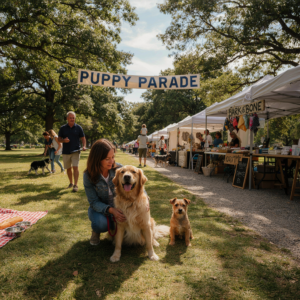
Community pet events can do a lot of good in a short amount of time. They bring neighbors together, help shelters meet new adopters, raise funds for rescue work, and create space for conversations about responsible pet care.
But the events people remember most are not always the biggest ones. Often, they are the ones that feel organized, welcoming, and thoughtful from start to finish. When safety is built into the plan and the experience feels personal, guests are more likely to stay longer, participate, and come back the next time.
Whether you are planning a small adoption day, a fundraising walk, or a booth at a local fair, a few practical choices can make a major difference.
Start With a Safety-First Layout
A good event setup helps people and pets feel calmer right away. Before thinking about decorations or giveaways, it helps to walk through the space from a pet safety perspective.
Keep entrances and exits clear. If dogs will be attending, create enough room between vendor tables so leashes do not tangle. Water stations should be easy to find, and shaded areas matter more than many organizers expect, especially during warmer months.
If your event includes adoptable pets, think carefully about where they will be placed. A quiet corner away from loud music or heavy foot traffic can reduce stress. Cats and small animals usually do better in low-noise areas with limited handling.
It also helps to post simple signs that answer common questions. Guests should be able to quickly spot where to check in, where to find first aid, and which areas are pet-only, kid-friendly, or off-limits.
Make Education Part of the Experience
Pet safety content does not need to feel formal to be useful. In fact, people often absorb more when information is woven into the event naturally.
A short handout on summer heat risks, safe walking gear, or toxic household foods can be placed near the welcome table. A rescue volunteer can give a quick demonstration on reading dog body language. A trainer can explain why nervous pets need space during public events.
These small educational moments help your event stand out. They also reinforce that pet care is not only about products or adoption photos. It is about helping animals stay safe and comfortable in everyday life.
If children will be attending, interactive learning works especially well. Simple games about safe pet greetings or matching pets with the right supplies can keep kids engaged while also teaching better habits.
Use Small Branding Touches That Feel Personal
Fundraising events and adoption days often include printed materials, shirts, tote bags, custom accessories, or other keepsakes. These items can help guests remember your organization, but they work best when they are practical and connected to the event itself.
For example, volunteer gear should be easy to spot from a distance. Matching colors, name tags, and comfortable accessories make it easier for guests to know whom to approach with questions. If your event has a theme, thoughtful merchandise can also add a sense of fun without distracting from the mission. Items that incorporate the event’s colors, mascot, or logo can be especially useful for creating a consistent visual identity across volunteer gear and fundraising materials.
Some organizations even order custom socks from SockPrinter featuring a rescue mascot, event logo, or pet-themed artwork for volunteers or fundraiser bundles, which can make the event feel more cohesive while giving supporters something useful to take home.
The key is to keep these touches simple. The goal is not to overwhelm guests with branding. It is to create a friendly, recognizable experience that supports your message.
Prepare Volunteers for Real-World Scenarios
Volunteers are often the reason a community pet event runs smoothly. Even a brief pre-event walk-through can help them feel more confident.
Go over the basics before guests arrive. Who handles a loose dog? Who answers adoption questions? Who refills water bowls? Who steps in if a pet looks overstimulated?
It is also helpful to assign one person to monitor the overall environment. They can watch for crowding, barking escalation, blocked walkways, or signs that a pet needs a break.
When volunteers know what to do, guests notice. The event feels calmer and more professional, and pet safety becomes something people can see in action rather than just read about on a sign.
Think Beyond the Main Attraction
Many pet events focus heavily on the headline activity, such as adoptions, a vaccination clinic, or a fundraising photo booth. Those elements matter, but the smaller details often shape the guest experience.
Consider seating for older visitors or families with young kids. Offer waste bag stations in more than one location. If food is being served, make sure human snacks and pet treats are clearly separated.
Noise is another factor that gets overlooked. Music can create energy, but if it is too loud, it can stress animals and make it harder for guests to talk with staff. Keeping volume moderate can improve the atmosphere for everyone.
It is also smart to have a backup plan for weather. Sudden heat, rain, or wind can affect both turnout and animal comfort. Portable tents, extra water, and a shortened indoor version of the event can save a day that might otherwise fall apart.
Create Follow-Up That Extends the Impact
A well-run event should not end when the tables come down. Follow-up can turn a one-day interaction into a lasting connection.
After the event, share a recap with photos, safety tips, and a few highlights from the day. Thank volunteers and local partners. If adoptable pets were featured, provide clear next steps for people who want to learn more.
You can also ask attendees what they found most useful. Did they enjoy the educational booth? Was the layout easy to navigate? Were there enough quiet areas for pets? Feedback like this can improve future events and show your audience that their experience matters.
Even simple follow-up helps build trust. People are more likely to support organizations that communicate clearly and show consistency over time.
Conclusion
Pet events do not need to be large or complicated to make a positive impression. With a safe layout, helpful education, prepared volunteers, and a few thoughtful details, even a modest community gathering can feel meaningful and well organized.
For shelters, rescues, and pet advocates, that kind of experience does more than create a pleasant day out. It helps people connect with your mission in a way that feels practical, memorable, and grounded in care for animals.
When safety and community work together, everyone benefits, especially the pets at the center of it all.