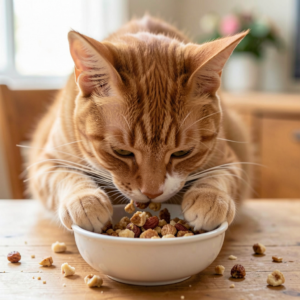
Cats are famously selective eaters. Many pet parents discover this quickly when a new food is introduced and their cat simply walks away from the bowl. While humans may judge pet food based on ingredients or nutritional labels, cats evaluate meals primarily through aroma, taste, and texture.
This is where cat food attractants—often called palatants or flavor enhancers—play an essential role in modern pet nutrition. These specialized ingredients help make food more appealing to cats while ensuring they receive the balanced nutrition necessary for long-term health.
Understanding how attractants work, why cats need them, and how they are used in commercial pet food production provides valuable insight for both pet owners and professionals in the pet food industry.
What Is a Cat Food Attractant?
A cat food attractant is an ingredient or coating designed to improve the palatability of pet food. Palatability refers to how appealing a food is to an animal based on smell, taste, and mouthfeel.
Common types of cat food flavor enhancers include:
- Hydrolyzed animal proteins, such as chicken liver hydrolysate
- Natural meat extracts derived from poultry or fish
- Yeast extracts that add savory umami notes
- Maillard reaction flavors, produced through controlled heating of proteins and sugars
- Spray-dried flavor powders applied to kibble surfaces
These ingredients are typically added as a coating on dry kibble or blended into wet food formulations to enhance flavor perception.
In commercial manufacturing, attractants are used carefully so they improve acceptance without compromising nutritional balance.
Why Palatability Is Critical for Cats
Cats evolved as obligate carnivores, meaning their diets in the wild consisted mainly of prey animals. Because of this evolutionary background, cats are highly sensitive to the aroma of proteins and fats.
Several factors make palatability especially important in feline diets:
-
Cats Rely Strongly on Smell
A cat’s sense of smell is estimated to be about 14 times stronger than that of humans. Aroma is often the first signal that determines whether a cat will accept a food.
If a food lacks appealing scent cues, a cat may refuse it even if the nutritional composition is ideal.
-
Cats Are Sensitive to Texture and Taste
Cats have fewer taste receptors than humans, but they are particularly sensitive to amino acids associated with meat proteins. Flavor enhancers often amplify these naturally savory notes.
-
Appetite Loss Can Lead to Health Problems
If cats refuse food for extended periods, they may develop serious conditions such as hepatic lipidosis (fatty liver disease). Improving palatability can help ensure consistent feeding behavior.
-
Life-Stage Nutrition Needs
Kittens, adult cats, and senior cats all have different nutritional requirements. Palatability enhancers help manufacturers create diets that cats will consistently consume at every life stage.
How Cat Food Flavor Enhancers Work
In commercial pet food manufacturing, flavor enhancers are often applied during the post-extrusion coating stage.
The general process typically involves:
- Extrusion of kibble – Raw ingredients are cooked and shaped into kibble pieces.
- Drying – Moisture is reduced to improve shelf life.
- Fat application – Animal fats or oils are sprayed onto kibble surfaces.
- Palatant coating – Flavor powders or liquids are evenly applied.
This coating system allows attractants to stay on the outer surface of kibble, where they can immediately release aroma when the cat approaches the bowl.
Wet food formulations may include flavor ingredients directly within the recipe rather than as an external coating.
Common Ingredients Used as Palatability Enhancers
A variety of ingredients are used in palatability enhancer formulations. These ingredients are carefully selected based on their ability to stimulate feline appetite.
Hydrolyzed Proteins
Hydrolysis breaks proteins into smaller peptides and amino acids. These molecules create strong savory aromas that cats find appealing.
Examples include:
- Chicken liver hydrolysate
- Fish hydrolysate
- Poultry protein hydrolysate
Animal Liver Powders
Liver contains natural compounds that produce a rich meat aroma when processed into powder form.
Yeast Extracts
Yeast ingredients contribute umami flavor notes and can also support digestive health.
Natural Meat Extracts
Concentrated meat broths or extracts provide authentic aroma signals that closely mimic natural prey scents.
Palatability Testing in Pet Food Development
Before a new product reaches the market, pet food manufacturers often conduct palatability tests.
Two common evaluation methods include:
Two-Bowl Test
Cats are offered two foods simultaneously, and researchers measure which one the animals choose first and consume more of.
Monadic Feeding Test
A single food is presented over several days to observe consistent intake levels.
These tests help determine whether a cat food flavor enhancer formulation successfully improves acceptance.
The Role of Attractants in Therapeutic and Specialized Diets
Certain veterinary diets—such as renal, weight management, or gastrointestinal formulas—may require specific ingredient restrictions.
Because these diets sometimes have less appealing flavor profiles, attractants can help ensure cats continue eating them consistently.
This is particularly important for cats with chronic conditions where dietary compliance directly affects health outcomes.
Safety and Regulatory Considerations
Pet food ingredients, including attractants and feed additives for dogs and cats, are regulated in many countries.
Manufacturers must ensure ingredients meet standards set by organizations such as:
- The Association of American Feed Control Officials (AAFCO)
- The European Pet Food Industry Federation (FEDIAF)
- National feed safety authorities
These regulations ensure that flavor enhancers used in pet food are safe, properly labeled, and nutritionally appropriate.
Future Trends in Pet Food Palatability
The pet food industry continues to evolve as consumer expectations change. Several trends are influencing the development of next-generation palatability enhancers.
Natural Ingredient Focus
Pet owners increasingly prefer natural flavor sources such as real meat extracts and minimally processed proteins.
Functional Palatants
Some new formulations aim to combine flavor enhancement with functional benefits, such as digestive support or immune health.
Sustainable Protein Sources
Alternative proteins, such as insect protein and plant-based ingredients, are being explored, requiring innovative attractant solutions to maintain palatability.
Supporting Better Nutrition Through Palatability
For cats, nutrition is only effective if they are willing to eat the food consistently. Cat food attractants help bridge the gap between nutritional formulation and real-world feeding behavior.
By improving aroma and flavor without compromising nutritional quality, palatability enhancers enable manufacturers to create diets that are both nutritious and appealing.
For professionals working in pet food development or manufacturing, understanding the science of palatability is key to producing products that meet both feline preferences and modern nutritional standards.