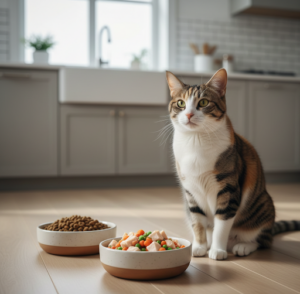
Pet owners often assume that feeding dogs and cats is similar, but this misunderstanding can lead to serious health problems, especially for cats. Cat food products are widely available, yet not all of them are suitable for every pet. Cats have unique dietary needs that are very different from dogs, and understanding these needs is essential for keeping them healthy, active, and comfortable throughout their lives.
This guide breaks down what cats really need in their diet and why proper nutrition matters so much.
Cats Have Specialized Dietary Needs
Cats are classified as obligate carnivores. This means their bodies are designed to function on nutrients found mainly in animal tissues. Unlike dogs, cats cannot adapt well to diets that are low in meat or high in plant ingredients.
Their digestive system, metabolism, and nutrient requirements are all centered around animal-based nutrition. Feeding cats the wrong type of food may not show immediate effects, but over time it can lead to deficiencies, weak immunity, and chronic illness.
Protein Is the Most Important Nutrient
Protein is the foundation of a cat’s diet. Cats require a much higher level of protein than dogs because their bodies continuously use protein to maintain basic functions.
Protein supports:
- Muscle strength
- Tissue repair
- Immune system function
- Healthy skin and coat
High-quality protein sources include chicken, turkey, beef, fish, and lamb. These meats provide essential amino acids, especially taurine. Taurine is critical for heart health, vision, digestion, and reproductive health. Cats cannot produce taurine on their own, so it must come from their food.
A lack of taurine can result in heart disease, vision loss, and severe weakness, making protein quality extremely important.
For dealers and distributors looking to supply high-quality cat food, Purr-furred Cat Food by Midsouth Feeds is specially formulated to meet these nutritional needs, ensuring pets receive the essential protein and vitamins for healthy growth and maintenance.
Fats Provide Energy and Overall Balance
Fats are another vital part of a cat’s diet. They provide concentrated energy, which is important because cats are naturally active in short bursts. Healthy fats also help the body absorb essential vitamins and support brain function.
Omega-3 and Omega-6 fatty acids are especially beneficial. These fats help:
- Maintain healthy skin
- Improve coat shine
- Reduce inflammation
- Support joint and brain health
Animal fats and fish oils are ideal sources because cats digest them more easily than plant-based fats.
Carbohydrates Play a Minor Role
Unlike dogs, cats do not need carbohydrates to thrive. Their bodies are not designed to process large amounts of grains or sugars. While small amounts of carbohydrates may be included in food for structure or energy, they should never replace protein.
Excess carbohydrates can contribute to weight gain and blood sugar issues. This is why many cats develop obesity or diabetes when fed diets designed for dogs or low-quality foods.
Vitamins Must Come From Animal Sources
Vitamins are essential for a cat’s overall health, but cats process vitamins differently from dogs. For example, cats cannot convert plant-based beta-carotene into vitamin A. They must receive vitamin A directly from animal ingredients.
Key vitamins cats need include:
- Vitamin A for vision and immunity
- B vitamins for metabolism and nervous system health
- Vitamin D for bone strength
- Vitamin E for cell protection
Because vitamin imbalance can be dangerous, cats should not be fed random supplements unless advised by a veterinarian.
Minerals Support Bones and Organ Function
Minerals help maintain strong bones, teeth, and proper organ function. Calcium and phosphorus work together to support skeletal health, while other minerals regulate muscle movement, nerve signals, and fluid balance.
Cats are sensitive to mineral levels, especially those related to urinary health. An improper balance can increase the risk of urinary tract infections or kidney problems, which are common in cats.
Balanced nutrition is essential to prevent these issues.
 Water Is a Critical Nutrient for Cats
Water is often overlooked, but it is one of the most important nutrients in a cat’s diet. Cats naturally have a low thirst drive, which means they may not drink enough water on their own.
Poor hydration can lead to:
- Kidney disease
- Urinary tract problems
- Digestive issues
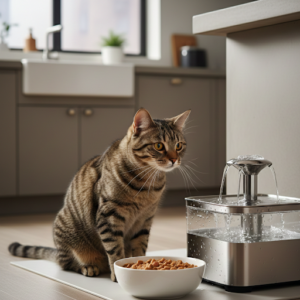
Wet food helps increase water intake, while dry food requires constant access to fresh water. Many cats prefer moving water so that fountains can encourage better hydration.
Common Feeding Mistakes Cat Owners Make
One of the most common mistakes is feeding cats dog food. Dog food lacks the protein levels and essential nutrients cats require, especially taurine. Even short-term feeding can cause deficiencies if done regularly.
Another mistake is overfeeding. Indoor cats, in particular, are prone to weight gain. Obesity increases the risk of diabetes, joint pain, heart disease, and reduced lifespan.
Free-feeding and excessive treats should be avoided. Portion control and routine feeding times help maintain a healthy weight.
How to Choose the Right Food for Cats
When choosing food, always read the ingredient list carefully. The first ingredient should be a clearly named meat source. Avoid foods with excessive fillers, artificial colors, or unnecessary additives.
Reliable animal feed manufacturers formulate cat food using scientific research to meet nutritional standards for different life stages, including kittens, adult cats, and senior cats.
Quality food may cost more, but it helps prevent long-term health problems and expensive veterinary bills.
Guidance for Pet Owners by Veterinary Professionals
Proper nutrition for cats is a shared responsibility between pet owners and veterinary teams. Veterinarians and clinic staff can guide owners on the best feeding practices, while owners implement those strategies at home.
Professionals exploring veterinary technician jobs often play a key role in counseling on diet, monitoring weight, and recommending specialized feeds. Understanding high-quality products like Purr-furred Cat Food can help ensure cats receive the nutrients they need for optimal health and well-being.
Final Thoughts
Cats have very specific dietary needs that must be met for them to live healthy and comfortable lives. A proper diet rich in animal-based protein, healthy fats, essential vitamins, balanced minerals, and sufficient water is non-negotiable.
Understanding what cats truly need helps pet owners avoid common mistakes and make informed feeding choices. When cats receive the right nutrition, they show better energy levels, healthier coats, stronger immune systems, and improved overall well-being.
Feeding cats correctly is not just about convenience; it’s about giving them the foundation for a longer, healthier life.