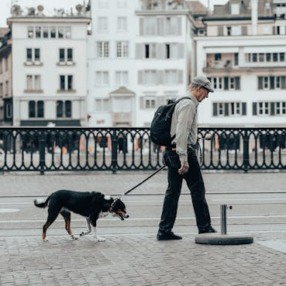
There’s something special about being outdoors with your dog—fresh air, open spaces, and shared adventure. For many pet owners, finding ways to include their dogs in daily routines or weekend outings is a top priority, whether by car, walking, or…one increasingly popular option? Bike rides with your dog on board. With the right setup, cycling can be a fun, safe, and healthy way to spend more time together. Whether you’re commuting, heading to the park, or simply enjoying a scenic ride, dog-friendly bikes make it easier to take your four-legged friend along.
This guide explores the various types of bikes suitable for carrying dogs, the benefits of cycling with pets, essential safety tips, and how to select the right bike setup for your lifestyle and your dog’s needs.
What Are Dog-Friendly Bikes?
Dog-friendly bikes are bicycles that have been adapted or designed to carry pets—especially dogs safely. These setups can range from front or rear-mounted baskets for smaller breeds to spacious cargo boxes and crates for larger dogs. Some bikes even come with sidecars or trailers that attach to the frame. The goal is to provide a secure and comfortable space for your dog while maintaining a stable ride for the cyclist.
For examples of bikes designed with pet transport in mind, visit: https://ferlafamilybikes.com/pages/bike-with-dog-basket
The most common types of dog-carrying bikes include:
- Cargo bikes with front boxes
- Longtail and midtail bikes with rear racks or platforms
- Electric assist bikes with added power for heavy loads
- Tricycles with large flatbeds or enclosed spaces
Each option offers unique advantages depending on your dog’s size, temperament, and your own cycling preferences.
Benefits of Biking with Your Dog
There are many reasons to consider using a bike to travel with your dog. Here are a few of the key benefits:
1. Shared Experience
Cycling gives you the chance to explore new places together. It’s not just exercise—it’s quality time.
2. Expanded Range
Some dogs can’t handle long walks due to age, health issues, or breed limitations. With a bike, you can cover more ground without overexerting your pet.
3. Convenience
Using a bike can be more efficient than walking or driving for certain errands or park visits. A dog carrier bike can double as a cargo bike for groceries or supplies.
4. Lower Environmental Impact
Biking is a sustainable alternative to driving and reduces your carbon footprint—without sacrificing fun or functionality.
5. Health and Wellness
Cycling is a great form of exercise for you. And even if your dog isn’t running alongside, the change of scenery and fresh air can be stimulating and calming.
Types of Dog-Carrying Bikes
Choosing the right type of bike depends on your dog’s size and how you plan to use it. Here are some popular options:
Front-Loading Cargo Bikes
These bikes feature a large compartment or box in front of the rider. Dogs can sit or lie down comfortably while enjoying the view ahead. These are especially good for small to medium dogs, or for dogs who prefer to be close to their owner during the ride.
Longtail and Mid Tail Cargo Bikes
With an extended rear frame, these bikes are often used with crates or carriers mounted over the back wheel. Longtail bikes work well for compact cargo or smaller dogs, while midtails are a good balance between maneuverability and space.
Tricycle Cargo Bikes
With three wheels and a wide platform, tricycle cargo bikes offer the most stability. They can accommodate larger dogs or multiple pets and are ideal for people who may not feel confident balancing a two-wheeled bike.
Electric Cargo Bikes
Electric-assist bikes make it easier to carry heavy loads—like a large dog or extra gear. They’re especially useful for hilly areas or long commutes.
What to Look for in a Dog-Friendly Bike
When selecting a bike for pet transport, comfort and safety should be the top priorities. Keep an eye out for these key features:
- Weight Capacity: Ensure the bike and carrier can handle your dog’s weight plus any extra gear.
- Stable Design: A low center of gravity and wide base help prevent tipping.
- Pet Safety Features: Look for secure enclosures, tie-down points for harnesses, and padded interiors.
- Accessibility: Low step-in height or side doors make it easier for dogs to enter and exit.
- Weather Protection: Canopies or rain covers can protect against sun, wind, and rain.
- Electric Assist (Optional): This can reduce strain on longer rides, especially when riding with heavier dogs.
Safety Tips for Biking with Your Dog
Cycling with a dog requires some preparation and ongoing awareness. Follow these tips for a safer and more enjoyable ride:
- Introduce the Bike Slowly: Let your dog explore the bike and sit inside the carrier at home before the first ride.
- Secure Your Dog: Always use a harness or tether to keep your dog from jumping or falling out during the ride.
- Start Small: Begin with short, slow rides on quiet streets or bike paths.
- Watch for Stress: Look for signs of discomfort like panting, whining, or trying to escape.
- Check the Weather: Avoid riding in extreme heat or cold. Bring water and take breaks when needed.
- Use Lights and Reflectors: Make yourself visible to cars and other cyclists, especially at night or in low-light conditions.
Training Your Dog for Bike Rides
Like any new experience, riding in a bike carrier takes time for dogs to get used to. Here’s a step-by-step guide:
- Familiarize: Let your dog sniff and inspect the bike and carrier while it’s stationary.
- Positive Reinforcement: Reward your dog for entering and staying calm in the carrier.
- Practice Runs: Push the bike around slowly before actually riding. Start with short, quiet rides when you’re ready.
- Stay Calm: Dogs can pick up on your mood. A relaxed rider helps keep a relaxed passenger.
- Build Gradually: Extend your rides slowly as your dog gets more comfortable.
Choosing the Right Setup for Your Dog
Not every bike or setup works for every dog. Consider the following when making a choice:
- Small Dogs: Look for baskets with high sides, padded liners, and secure straps.
- Medium Dogs: Front or rear cargo bikes work well, especially those with a flat surface and leash hooks.
- Large Dogs: Tricycles or electric cargo bikes with enclosed platforms offer the best comfort and stability.
If you’re unsure, visiting a bike shop with pet-friendly options or renting a model to test can help you decide.
Final Thoughts
Biking with your dog is more than just a trend—it’s a rewarding way to include your pet in your everyday life. Whether you’re cycling to the park, taking a weekend ride, or replacing short car trips with a more eco-friendly option, a dog-friendly bike setup brings convenience, joy, and adventure to your routine.
With the right gear, safety steps, and a little training, you and your furry friend can roll into a new kind of bonding experience—one filled with fresh air, tail wags, and happy memories, but for those times your pet needs to get someone and you aren’t available, consider a pet taxi service. to handle your pet’s travel needs worry-free!