 There is a quiet guilt many dog owners know well. It shows up when you hear your furry friend pacing near the door, when the leash stays untouched for another evening. When you promise yourself, “Tomorrow will be better,” and quietly hope your furry friend understands. Life gets busy in ways no one plans for, yet the guilt still lingers because canines depend on regular walks and time outside to feel balanced.
The truth is, missing walks does not mean you are failing your furry friend. It means life is full. And the better news is that staying consistent does not require perfect schedules or endless energy. With a few thoughtful shifts, it becomes much easier to support your pet’s needs in a way that feels sustainable and kind to both of you.
The tips below are designed to help you slow down, reset, and find a rhythm that actually works.
Let Walks Become Part of the Day’s Natural Rhythm
One reason walks slip through the cracks is that they live in the “extra” part of the day. They sit alongside chores and errands, waiting for the perfect moment that rarely comes. When walks feel optional, they are easier to delay.
Instead, think of walks as anchors in the day. Not rushed tasks, but familiar moments your furry friend can count on. A morning walk can gently start the day. An evening walk can help everyone decompress. Over time, these walks stop feeling like something to squeeze in and start feeling like part of the day’s natural flow.
Dogs notice this shift immediately. Predictable walks help them feel calmer, more secure, and less restless indoors. And for owners, routine removes the mental load of deciding when or if a walk will happen.
Bring in a Professional When Consistency Feels Hard
There are periods when routines simply break down. Long workdays, changing schedules, family responsibilities, or health issues can all make regular walks difficult to manage. This is where professional support can quietly restore balance.
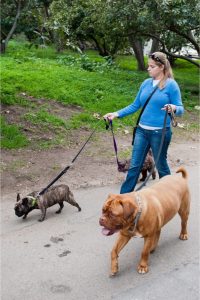
Professional dog walkers do more than just put a leash on and head outside. They understand pacing, safety, and how different canines respond to their environment. The experts also know how to read body language, adjust walks based on energy levels, and keep the pups engaged without overstimulation. For many canines, these walks become a reliable, enriching part of their week.
And the helpful part? Finding this support is often simpler than expected. A quick online search using phrases like “dog walker near me” or “pet walker in [your city’s name]” usually brings up a range of local services right away. From there, it helps to focus on providers such as Trails and Tails Dog Walking, known for experience and for working comfortably with different breeds.
Such seasoned walkers tend to move at a thoughtful pace. They pay attention to how canines react to their environment and adapt the pace or route as needed. This calm, reliable care supports a consistent routine, helps your furry friend feel secure, and gives you peace of mind without adding extra stress.
Shorter Walks Can Still Be Meaningful
Many people assume that dog walks need to be long to be effective. In reality, what matters most is not distance, but regularity. Canines respond best to routines they can rely on. So, on days when schedules feel tight or energy is low, shorter walks can still meet their needs in meaningful ways.
Even a brief outing gives your furry friend the chance to step away from the indoor environment and reconnect with the world around them. Sniffing familiar scents, noticing small changes in their surroundings, and even some gentle exercises can help canines mentally unwind. These moments provide stimulation and comfort, supporting emotional balance just as much as physical movement.
Shorter walks also reduce the pressure that often leads to skipped outings. When walks feel easier to fit in, they happen more often. Two short walks spread across the day can offer steady engagement, rather than waiting for a longer walk that may never quite fit into a busy schedule.
With time, dogs settle into this pattern. Predictable walks create a sense of routine, which helps them feel secure and relaxed throughout the day.
Use Gentle Reminders Instead of Willpower
Relying on willpower alone can quietly drain energy, especially on already busy days. When walks depend entirely on memory or motivation, they are easier to delay. Gentle reminders, on the other hand, help build consistency without adding stress.
Simple tools can support this in surprisingly effective ways:
- Setting a daily reminder on your phone at a calm, realistic time
- Keeping the leash in a visible spot instead of tucked away
- Pairing walks with an existing habit, such as finishing breakfast or arriving home
These cues remove the need to decide when to walk. Instead of thinking about it, you simply follow the signal. Over time, this turns walking into a habit that happens almost automatically, even on days that feel full.
To Wrap Up
Caring for a dog is not about doing everything flawlessly. It is about showing up in ways that are sustainable and kind. With a steady routine, realistic expectations, and support when needed, staying consistent with walks becomes far less stressful. When canines feel supported, and owners feel less burdened by guilt, daily life settles into a rhythm that works for everyone.