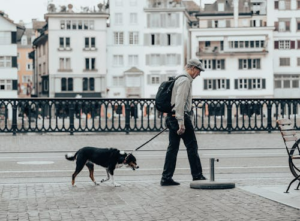
Keeping a dog means heading outside every day, rain or shine. For older homeowners, those daily trips from door to yard bring real risks that deserve attention. Slick steps, uneven pavement, and an eager pet pulling at the leash can turn a routine outing into a fall.
This guide covers practical ways to reduce outdoor hazards for both you and your dog. From quick safety checks before stepping outside to fixing walkway problems and timing walks around heat, each section offers straightforward steps that fit into daily life. The goal is simple: stay active with your pet while protecting your joints, your balance, and your confidence.
Quick Safety Checklist for Yard Steps and Everyday Walks
Before You Step Outside: 60-Second Scan
Pause at the door and look at the path ahead. Scan for wet patches, scattered leaves, loose gravel, or pet toys that could cause slips and falls. Check step edges for cracks or raised spots that might catch a foot mid-stride.
Give handrails a firm grip to confirm they hold steady. Note whether outdoor lights work, especially for evening outings. If you use any yard sprays or pest control products, stick with a clearly labeled pet-safe treatment plan so you are not stepping around risky chemicals while your dog sniffs everything in reach. For elderly dog owners, this brief pause catches the most common trip hazards before they become problems.
If the dog pulls at the leash, ask for a calm sit before opening the door. Starting with control protects balance during those first steps outside.
Before You Start the Walk: Heat + Traction + Control
Check ground conditions before heading out. On warm days, press a bare palm against pavement for five to seven seconds. If holding it there feels uncomfortable, stick to grass or shaded routes to protect paw pads.
For those managing mobility challenges, surface and shoe choices matter:
- Choose non-slip footwear with solid treads
- Skip painted curbs and algae-prone areas
- Favor flat, predictable paths over rough terrain
Pick a leash that stays manageable with one hand and skip retractable styles that encourage lunging. Bring water for both handler and pet, and keep a steady pace throughout.
Think of dog walking tips as safety habits rather than suggestions. Planned, shorter routes beat rushed ones. When tiredness sets in, heading home early protects joints for both you and your dog.
Why Outdoor Fall Prevention Matters When You Have a Pet (and What to Fix First)
The Fall-Risk Chain: Surface + Steps + Dog Movement
Outdoor slips and falls rarely happen because of one thing going wrong. A dog lunges at a squirrel, a step edge is slick from morning dew, and attention splits between pet and footing. These factors combine faster than reflexes can catch up. According to CDC fall risk facts for older adults, about one in four adults 65 and older experiences a fall each year. Adding a leash to the equation introduces unpredictable pulls that shift weight at the worst moments.
The good news: the highest-impact fixes sit along the same path used every day. Focus first on these zones:
- Doorway thresholds and entry mats
- Outdoor stairs and handrails
- The first 10 to 20 feet of the walkway
These changes support aging-in-place goals without requiring major renovations. Better lighting, non-slip treads, and sturdy rails handle most risk. For homes with steep outdoor stairs, options like California Mobility stair lifts can reduce daily strain alongside simpler upgrades. Start with the spots that see the most traffic and build from there.
Pest Exposure Hazards in Yards: Protecting Pets Without Adding Risk for You
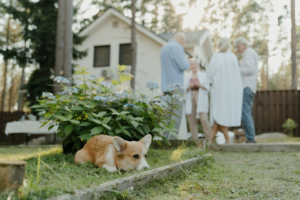
Yard areas used for potty breaks and play often double as pest hot spots. Overgrown grass edges and shaded corners hide ticks and fleas while creating uneven footing that catches shoes mid-step. Keep grass trimmed short and clear leaf debris regularly.
Senior dogs need a quick check after yard time since arthritis can make self-grooming difficult. Run a hand along the belly, behind the ears, and between the toes where pests hide.
Cluttered zones near trash bins and stacked planters attract insects while adding trip hazards for elderly dog owners managing leashes. Store pest products out of reach and choose clearly labeled options. Apply treatments when pets stay inside and follow the label timing before allowing access.
Routine yard upkeep that clears clutter reduces both pest pressure and mobility risks. For tick and flea prevention choices, talk to a vet.
Fixing Uneven Walkways and Transitions (The Hidden Cause of Stumbles)
What to Inspect on Sidewalks, Paths, and Patios
Focus on the routes used most often: door to yard, out to the trash bin, down to the mailbox. These paths take daily wear and hide trip hazards that develop gradually. Look for cracked slabs, lifted concrete, loose pavers, and tree roots pushing into the walking space.
Thresholds and driveway edges catch toes when a leash tug pulls attention away from footing. Keep enough clearance for both pet and handler to pass without crowding. Standing water breeds slick algae and raises the chance of slips and falls. For more examples, see common yard hazards that trap moisture against surfaces.
Low-Lift Upgrades That Boost Traction and Confidence
Non-slip tape or grit coatings work well on spots that stay damp. Apply them to shaded pavers, painted steps, or anywhere moss tends to grow. For anyone with mobility challenges, these small additions build daily confidence.
Trim plants crowding path edges and clear uneven borders. Fewer obstacles help pets move predictably, which reduces sudden pulls. Mark step edges with contrasting paint for better visibility, especially for aging-in-place routines in low light. Break repair work into short, manageable sessions to reduce mistakes from fatigue, and bring in professionals for structural issues such as uneven concrete or deteriorating boards.
Heat, Pavement, and Safe Exercise Timing for Dogs (and for You)
How to Test Pavement Temperature Before You Walk
Press the back of a hand against the pavement for five to seven seconds before heading out. If holding it there feels uncomfortable, the surface is too hot for paw pads. Blacktop heats up fastest, while grass and shaded soil stay cooler throughout the day.
When pavement fails the hand test, shift routes to grassy areas or tree-lined paths. Early morning and late evening walks avoid peak heat. For senior dogs, shorter distances on cooler surfaces protect joints already stressed by arthritis. Booties help for brief crossings over unavoidable hot spots but limit natural paw cooling, so use them sparingly.
The “150 Rule” for Heat + Humidity Decisions
Add the air temperature in Fahrenheit to the relative humidity percentage. This simple calculation guides safer timing for both handler and pet:
- Below 150: Standard walks with water breaks work fine
- Between 150 and 180: Keep outings short and slow-paced
- Above 180: Skip outdoor exercise entirely
Watch for heavy panting, thick drool, stumbling, or confusion in the dog. Handlers should note their own lightheadedness or unusual fatigue as signals to turn back.
When conditions push past safe thresholds, alternatives keep pets active without the risk. Indoor play, enrichment food puzzles, and short sniff breaks by shaded entrances help keep routines consistent. Following these dog walking tips protects both the handler and the pet through summer heat.
Outdoor Stairs: Non-Slip Traction and Pet-Friendly Access for Aging Joints
Making Steps Safer for Humans
Outdoor stairs rank among the highest-risk zones for slips and falls. Stair treads with textured surfaces or adhesive grip strips improve traction where shoes land most often. Painted edge lines help with depth perception, especially in fading daylight.
When selecting materials, look for weather resistance, stability across temperature swings, and visibility in low light. Handrails should hold firm under a strong pull. Consistent riser heights let feet land predictably from step to step.
Seasonal upkeep keeps non-slip surfaces effective. Clear wet leaves promptly, sweep mud after storms, and address frost before heading out.
Making Steps Safer for Dogs with Arthritis
Pet ramps give senior dogs a gentler alternative to climbing outdoor stairs. For handlers, ramps eliminate awkward lifting that strains backs and throws off balance.
Choose ramps with a gradual incline, textured surface, and side rails. Anchor them firmly so they stay put during use. Position ramps where they remain visible and clear of foot traffic. A ramp blocking the main walkway becomes its own trip hazard.
Keeping a dog means heading outside every day, rain or shine. For older homeowners, those daily trips from door to yard bring real risks that deserve attention. Slick steps, uneven pavement, and an eager pet pulling at the leash can turn a routine outing into a fall.
This guide covers practical ways to reduce outdoor hazards for both you and your dog. From quick safety checks before stepping outside to fixing walkway problems and timing walks around heat, each section offers straightforward steps that fit into daily life. The goal is simple: stay active with your pet while protecting your joints, your balance, and your confidence.
Bring It Together: A Simple Routine to Stay Safe Year-Round
A repeatable routine beats perfect planning. Before stepping out, scan the path for hazards, confirm handholds work, and check the weather. Choose grippy footwear and keep the leash setup calm. These dog walking tips become second nature with practice.
Small upgrades support aging-in-place over time. Improve step grip one season, reduce clutter the next, and smooth transitions for both person and pet. Reassess after each season change and after any near-miss slip. Slips and falls often follow patterns worth noticing.
For a refresher on safe dog-walking basics, revisit the fundamentals whenever routines feel rushed. A short checklist by the door keeps habits consistent without adding stress to daily outings.