Image Source: Unsplash
Dog training is more than just teaching your furry friend to sit, stay, or roll over; it’s a pathway to building a relationship founded on trust, respect, and clear communication. Many pet owners underestimate the impact of consistent training, assuming that love and affection alone are enough. While a loving home is essential, structured training gives your dog the tools to navigate the human world confidently, and it gives you the ability to guide them in a way that enhances your life together. Just like kids go to school, dogs should go to puppy school, or enroll soon after they become part of your family. Training isn’t about control; it’s about creating a shared language that deepens your understanding of each other.
The Foundation of Good Behavior
Without proper training, even the most well-meaning dog can develop habits that make daily life difficult. Pulling on the leash, barking excessively, jumping on guests, or ignoring commands are common issues that can strain your patience. Training provides a framework that sets expectations and boundaries. By introducing consistent rules, your dog learns which behaviors are acceptable and which are not. This clarity prevents frustration on both sides, allowing you to focus more on enjoying your time together rather than correcting unwanted behavior.
Building Mutual Trust and Respect
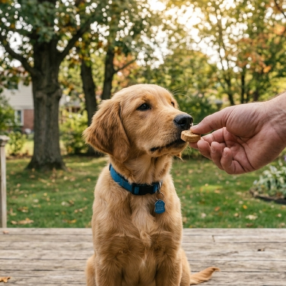
One of the most powerful outcomes of training is the development of mutual trust. When you train your dog using positive reinforcement methods, you show them that following your lead results in good things, whether that’s treats, praise, or playtime. This creates a cycle of trust where your dog feels safe listening to you, even in distracting or challenging environments. In turn, you gain confidence knowing that your dog will respond to your cues, whether at home, in the park, or during travel.
Enhancing Communication Between You and Your Dog
Dogs don’t speak our language, but they are remarkably skilled at reading our tone, body language, and cues. Training bridges this communication gap by establishing consistent signals for specific actions. When you say “sit” or “stay,” your dog learns exactly what you expect. This mutual understanding reduces confusion and prevents situations where your dog acts out simply because they didn’t know what you wanted. Over time, these shared cues become second nature, creating a seamless way to communicate in everyday situations.
Ensuring Safety in All Environments
Teaching your dog commands like “come,” “leave it,” or “stay” can be life-saving in certain situations. Whether you’re calling your dog away from a busy road, preventing them from eating something harmful, or stopping them from running into danger, a trained response can make all the difference. Safety-focused training not only protects your dog but also gives you peace of mind.
Reducing Anxiety and Behavioral Problems
A well-trained dog is often a more confident and relaxed dog. Many behavioral issues, such as chewing, digging, or excessive barking, stem from anxiety, boredom, or lack of structure. Training provides mental stimulation, which is just as important as physical exercise. By giving your dog a “job” to do through commands and structured activities, you help them burn off energy in a productive way. This reduces unwanted behaviors and creates a calmer, more content companion.
Strengthening the Human-Animal Bond
The more time you spend training your dog, the stronger your emotional connection becomes. These sessions aren’t just about teaching skills; they’re moments of focused interaction where your dog has your undivided attention. Dogs thrive on this kind of engagement, and you’ll find that they begin to look forward to training as much as you do. This shared activity builds a sense of teamwork and partnership that extends into every part of your relationship.
Making Socialization Easier
Training also plays a critical role in socializing your dog. Dogs that understand basic commands are easier to manage in public spaces, making it safer and more enjoyable to take them to parks, cafes, or on trips. Socialization reduces fear and aggression toward unfamiliar people or animals, helping your dog adapt to new experiences with confidence. The more comfortable your dog is in varied situations, the richer their life and yours become.
Improving Quality of Life for Both Owner and Pet
When your dog is trained, everyday life becomes smoother and more enjoyable. You can invite guests over without worrying about jumping or barking. Walks are pleasant instead of stressful. Travel becomes a possibility instead of a challenge. The freedom that comes with good training means your dog can be more involved in your life, joining you for adventures and activities that might otherwise have been too difficult.
Creating a Positive and Lasting Impact
Training is not a one-time event but an ongoing process that evolves with your dog’s life stages. From puppyhood to their senior years, each phase presents new challenges and opportunities for growth. The lessons learned early on can shape your dog’s behavior for a lifetime, making the investment of time and effort worthwhile. Dogs that are given this guidance tend to live happier, more fulfilling lives because they know how to thrive within the human environment.
Investing in your dog’s training is one of the most transformative choices you can make as a pet owner. It’s not just about commands; it’s about building trust, fostering clear communication, ensuring safety, and creating a harmonious life together. A well-trained dog becomes a more confident, happier companion who understands and thrives within your world. By committing to consistent, positive training methods, you’ll strengthen your bond and open the door to a lifetime of rewarding moments. To begin your journey toward a better relationship with your dog, be sure to check out D&C Dog Training.