Modern pet ownership comes with responsibilities that extend far beyond food and shelter. Regular checkups, preventive care, grooming, and daily maintenance are critical parts of the care pets need to stay healthy and comfortable. Many people gladly take on these costs because they see their dogs and cats as full-fledged family members rather than simple household companions. Nevertheless, rising household expenses and changing financial priorities can affect the finances of even the most devoted pet owners.
Practical spending decisions can help create a healthier balance between proper pet care and long-term financial stability. With the right approach, you can manage your pet’s needs more responsibly without placing unnecessary pressure on your budget. With that in mind, here are ways to reduce pet-related expenses while still giving your companion proper care.
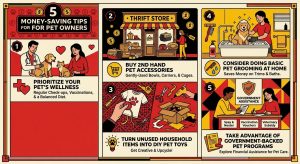
Prioritize Your Pet’s Wellness
Unexpected vet bills often place the biggest strain on a pet owner’s budget. Treatments for common pet illnesses can become expensive, especially once medication, laboratory tests, and follow-up consultations enter the picture. In many cases, these problems become harder and more costly to manage because early signs of disease went unnoticed or untreated.
Ensuring your pet is healthy and well-cared for reduces the likelihood of larger pet expenses later on. Vaccinations, parasite prevention, proper nutrition, and routine checkups support your pet’s long-term health and may help identify medical concerns before they worsen. Moreover, preventive care is often more affordable to manage than sudden medical emergencies, making it easier to keep pet-related costs more predictable over time.
Still, regular veterinary care can be costly. In this situation, taking out a manageable loan can help cover necessary care without dipping into your savings. Maya—one of the top banks Philippines’ consumers trust—offers accessible credit products that can support time-sensitive expenses. Maya Easy Credit, for instance, lets you borrow up to PHP 50,000, which you can pay within 30 days. It also has borrower-friendly, transparent fees, so you can plan repayment with fewer surprises.
Buy Second-Hand Pet Accessories Instead of Brand New
Pet accessories often stay usable long after their original owners stop needing them. Quality carriers, cages, feeding bowls, litter boxes, pet strollers, and even aquariums can remain functional for years with proper care. Many pet owners sell these items through online marketplaces or community groups and often at a cheaper price. Exploring these platforms can help you find useful pet supplies without spending as much on brand-new products.
When purchasing second-hand pet accessories, careful inspection matters. Some items may already have damaged parts, loose fittings, cracks, or hidden wear that could affect your pet’s safety and comfort.
Therefore, before finalizing a purchase, make it a habit to read the description of the pre-loved item and check if it matches the photos provided by the seller. This way, you can better identify possible issues before spending money. You can also ask the seller if you can see and test the product before completing the transaction. With a more thorough inspection, you can be more confident that the accessory is worth the cost and remains safe for your pet.
Turn Unused Household Items into DIY Pet Toys
Some forms of pet entertainment don’t require store-bought products at all. A few unused household items can often serve the same purpose with a little creativity and preparation. Braided fabric strips from old shirts or towels, for example, may work as tug toys for dogs. Meanwhile, empty cardboard boxes can keep indoor cats entertained through hiding and climbing activities. Treat puzzles can also be made using old containers or rolled fabric to encourage mental stimulation during feeding time. These simple, homemade alternatives can help reduce spending on disposable toys while keeping your pet active and mentally engaged.
Consider Doing Basic Pet Grooming at Home
Professional grooming services can become a recurring expense. Bathing, nail trimming, and ear cleaning may seem inexpensive individually, but regular appointments can gradually increase your overall pet care costs throughout the year.
One way to manage this expense is to perform simple pet grooming routines at home. Basic tasks, like bathing and nail trimming, are often manageable with the right tools and preparation. What’s more, pet-safe shampoo, nail clippers, grooming brushes, and microfiber towels are widely available and can be reused for a long time with maintenance. If you need guidance, you can watch online tutorials from licensed groomers and veterinarians before trying a new grooming task yourself.
Take Advantage of Government-Backed Pet Programs
Public veterinary programs can help reduce some of the routine costs associated with pet ownership. Many local government units organize low-cost or free services such as anti-rabies vaccinations, spay and neuter campaigns, and basic veterinary consultations throughout the year. These initiatives, however, often only last a few days or happen only at select times a year. So, make it a habit to regularly check community announcements, social media pages, and barangay bulletin boards to catch available programs before slots run out.
Pet care becomes easier to sustain when your choices are guided by both affection and practicality. Small changes in how you spend can protect your budget while still giving your pet the comfort, safety, and attention they deserve. A thoughtful approach also helps make pet ownership feel less financially stressful. With enough planning, caring for your pet can remain a source of joy rather than a constant source of financial pressure.