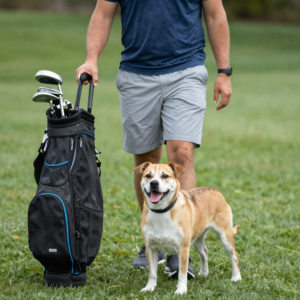
For many dog owners, a relaxing weekend outdoors sounds even better when their dog can come along. Whether it is a casual golf outing, a day at a sports club, or a weekend trip built around outdoor activities, including your dog can be fun and memorable.
It also takes planning.
Golf courses, driving ranges, parks, and sports venues are full of unfamiliar sights, sounds, equipment, people, and distractions. A dog that is calm at home may behave differently around carts, swinging clubs, bouncing balls, ponds, wildlife, and groups of strangers.
The good news is that a little preparation can make the day safer and more enjoyable for everyone. Before you clip on the leash and head out, think through your dog’s comfort, the venue’s rules, and the practical details that help prevent avoidable problems.
Start With the Venue’s Pet Policy
Never assume that dogs are allowed just because an outdoor space looks open and relaxed. Some golf courses and sports clubs welcome leashed dogs in certain areas, while others restrict pets because of safety, turf care, wildlife concerns, or insurance rules.
Call ahead or review the venue’s policy before your visit. Ask specific questions, such as whether dogs are allowed on the course, in carts, near the clubhouse, on patios, or only in certain walking areas.
If dogs are allowed, ask whether there are busy times you should avoid. A quiet weekday afternoon may be much easier for a dog than a crowded weekend event.
Respecting the rules protects your dog and helps keep pet-friendly spaces available for other owners.
Be Honest About Your Dog’s Temperament
Not every dog enjoys a day around outdoor sports. Some dogs love gentle activity and new environments. Others become anxious around moving vehicles, sudden noises, groups of people, or unfamiliar dogs.
Before planning a full outing, consider your dog’s normal behavior. Does your dog stay calm on a leash when people pass by? Can they settle quietly for long stretches? Are they reactive to birds, squirrels, carts, bicycles, or joggers?
A golf course or sports venue is not the place to test basic manners for the first time. If your dog is still working on leash skills or gets overwhelmed easily, start with shorter, quieter outings in a park or walking trail.
Bringing your dog should add to the day, not create stress for them or for people nearby.
Plan Carefully for Heat and Hydration
Outdoor sports often involve long periods in the sun. Dogs can overheat faster than many owners realize, especially breeds with short noses, thick coats, dark fur, or lower fitness levels.
Bring more water than you think you will need. A collapsible bowl is easy to carry and gives your dog a familiar place to drink. Offer water often, even if your dog does not seem thirsty.
Watch for signs of heat stress, including heavy panting, drooling, weakness, bright red gums, confusion, or reluctance to move. If you notice these signs, stop immediately, move your dog to shade, offer water, and seek veterinary help if symptoms do not improve quickly.
Hot pavement, cart paths, and sandy areas can also burn paw pads. Use the back-of-your-hand test: if the ground is too hot for your hand after several seconds, it is too hot for your dog’s paws.
Think About Carts, Clubs, and Moving Equipment
Golf outings introduce equipment that many dogs are not used to seeing. Carts move quietly and may surprise a dog. Clubs swing quickly. Balls can appear suddenly. Bags, tees, and markers may be placed on the ground where a curious dog might sniff or chew.
Many golfers also carry small accessories that add a personal touch to their time on the course. Custom golf ball markers from Aceballmarkers are one example, giving players a practical way to mark their ball while adding a personalized detail to their setup. Like other small items around the course, keeping these accessories away from curious dogs can help prevent unwanted distractions during play.
Keep your dog on a short, comfortable leash in active areas. Avoid letting them wander near players who are preparing to swing. Even a friendly dog can cause a distraction at the wrong moment.
If your dog rides in a golf cart, make sure they are secure. A dog should not be loose in a moving cart or able to jump out when excited. Use a harness and a short tether designed for safe restraint, and never leave your dog alone in a cart.
Pack a Small Dog Safety Kit
A compact safety kit can make a big difference during a long outdoor day. You do not need to bring your whole house with you, but a few basics are worth packing.
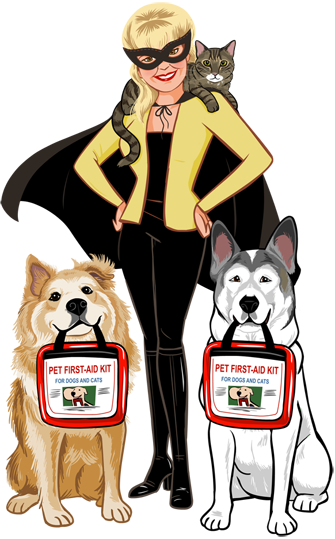
Include water, a bowl, waste bags, a towel, a copy of vaccination records, and any medication your dog may need. Add a small pet first-aid kit with gauze, antiseptic wipes, tweezers, and a bandage wrap.
If your dog has sensitive paws, consider paw balm or protective booties. If they are easily startled, a familiar blanket or mat can help them settle in a designated resting spot.
Make sure your dog’s ID tag is current. A microchip is helpful, but a visible tag with your phone number can speed up a reunion if your dog slips away.
Practice Good Etiquette Around Other People
Even in pet-friendly places, not everyone wants to interact with a dog. Some people are afraid of dogs, allergic, focused on their game, or simply prefer personal space.
Keep your dog close when passing others. Do not allow them to approach people, sniff bags, step onto greens, or wander into playing areas. If someone asks to pet your dog, only allow it if your dog is comfortable and calm.
Clean up waste immediately and dispose of it properly. This may sound basic, but it is one of the most important habits for keeping outdoor spaces welcoming to pets.
If your dog barks repeatedly, lunges, whines, or cannot settle, take a break away from the activity. Sometimes a short walk to a quieter area is enough. Other times, the kindest choice is to end the outing early.
Watch for Wildlife, Water, and Chemicals
Golf courses and outdoor sports areas often attract wildlife. Birds, rabbits, squirrels, geese, and deer may be tempting for dogs to chase. Ponds and water hazards may also contain algae, bacteria, steep banks, or hidden debris.
Keep your dog away from standing water unless you know it is safe. Blue-green algae can be dangerous, and some ponds are treated with chemicals or bordered by slippery edges.
Be mindful of treated grass as well. Courses and clubs may use fertilizers, pesticides, or herbicides. If you are unsure whether an area has been recently treated, keep your dog off the grass and ask staff for guidance.
After the outing, wipe your dog’s paws and belly, especially if they walked on treated turf or dusty paths.
Know When to Leave Your Dog at Home
Sometimes the safest plan is to let your dog relax at home or stay with a trusted sitter. This is especially true during hot weather, crowded events, long tournaments, or outings where your attention will be divided for hours.
Senior dogs, puppies, dogs with breathing issues, and dogs recovering from illness may not tolerate long outdoor days well. Dogs that are fearful or reactive may also find the experience overwhelming rather than enjoyable.
Leaving your dog behind is not a failure. It is often a thoughtful decision based on their needs.
If you still want to include them, plan a shorter dog-friendly activity before or after your sports day, such as a shaded walk, a visit to a quiet park, or a relaxed meal on a pet-friendly patio.
Conclusion
Bringing your dog to a golf weekend or outdoor sports day can be a pleasant experience when safety comes first. The key is to plan ahead, understand the venue’s rules, and pay close attention to your dog’s comfort throughout the day.
A calm leash, plenty of water, shade breaks, safe distance from equipment, and respect for other guests all help create a smoother outing.
Most importantly, let your dog’s behavior guide your decisions. If they are relaxed and comfortable, you can enjoy the day together. If they seem stressed, tired, or too warm, it is time to pause, adjust, or head home.
Outdoor adventures are always better when they are safe for both people and pets.