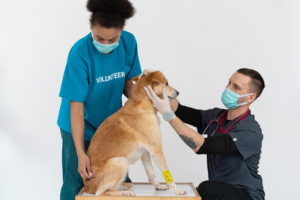
Photo by Mikhail on Pexels
As a pet owner, the most loving way to safeguard your furry companion’s well-being is moving from reactive treatment to preventative care. An organized healthcare schedule turns this objective into a defined habit that helps identify problems early and creates a permanent record of your companion’s health. In the following sections, we’ll explore how to build this framework so no wellness milestone slips through a busy schedule.
Schedule Regular Wellness Exams
Regular physical examinations are the core of preventative pet care. These exams help establish a pet’s baseline health by identifying changes in its weight, movement, and organ function, which are often difficult to detect until they become serious problems. These exams will include checks of your pet’s heart and lung function, joint health, skin condition, and more. Older pets should receive biannual examinations, whereas younger ones require only one annual examination.
A visit’s effectiveness depends on the discussion that takes place. Make observations in advance and prepare notes before coming to the vet to maximize the value of every visit. This may be changes in thirst or hunger, challenges getting up after naps, or heightened scratching, and even changes in behavior. Provide this information and talk about preventative measures such as heartworm, flea, and tick treatment.
The selection of a provider is also as important as the frequency. For example, if you’re new to the area, you may look around for the best vets in Philadelphia in order to find long-term care expertise instead of just going to the nearest one. After you’ve identified a provider you feel good about, schedule appointments at least a month in advance and reserve the same general date each year to make it habitual.
Establish a Timely Vaccination Schedule
Vaccinations are important for protecting your pet against serious and potentially fatal diseases. There are different types of shots. However, core vaccines are designed to provide immunity against diseases likely to be present in your community. During the first year, puppies and kittens need a series of shots, which means a hectic year of trips to the veterinarian.
Once they are adults, their vaccination schedule changes to a more frequent schedule, usually once every one to three years, depending on the vaccine and your pet’s lifestyle. Your pet could be exposed if you miss a booster. A dog that is frequently boarded might need a kennel cough vaccine, for instance, whilst an outdoor cat will require a leukemia vaccine.
Establish a specific calendar section for important vaccination dates. Though clinics might provide reminders, it’s more prudent to maintain your own records. Record the vaccine date, type, and the upcoming due date. Plan the vaccination promptly each spring in regions with lyme disease risk, for instance. By monitoring due dates, you eliminate the anxiety of uncertainty and can coordinate yearly exams with vaccination appointments to minimize travel.
Plan a Parasite Prevention Program
Parasites are easier to prevent than treat. Protection follows a monthly or seasonal rhythm. Some pets need coverage throughout the year, and others need coverage only in warmer months. Heartworm from mosquitoes is a threat year-round, but fleas and ticks survive indoors or in leaf litter even in cooler months. A preventative calendar is essential. Set a fixed monthly date like the first of the month and never skip.
Since parasite products need regular reorders, treat prevention as a recurring task. Set monthly reminders on a fixed day and add a buffer before supplies run out. Automate alarms a few days before each dose to ensure stock. Also sync refills with reminders for a seamless routine.
Add reminders for annual heartworm and tick tests to confirm protection and catch issues early. Note bedding and grooming checks after heavy exposure, and keep the environment clean with regular changes and vacuuming. Treat these entries with urgency to replace uncertainty with peace of mind.
Incorporate Nutritional and Weight Management Checkpoints
Nutrition is one of the most controllable factors in pets’ health. A preventative calendar should track diet and weight to keep pets at a healthy body condition. Obesity can lead to diabetes, joint problems, and heart disease, while gradual changes in weight are easy to miss day to day. Mark monthly or quarterly weigh-in dates; even a quick home scale check can reveal trends. Pair these checkpoints with portion reviews to adjust for activity levels: fewer calories in colder months, more during active summers. Use a measuring cup to avoid overfeeding.
A pet’s nutritional requirements change with age and activity, along with health factors. Sustaining an ideal body condition score is among the most efficient methods to prolong lifespan. Recording weight and dietary changes in your calendar establishes a clear log that facilitates prompt modifications and enhances the accuracy of conversations with your veterinarian. Include notes for food changes, supplement starts, or batch preparations. This adult trail helps clarify changes in digestion, coat condition, or energy levels. Structured checkpoints turn nutrition into a steady habit, ensuring your pet gets the right nourishment for their life stage.
Schedule Dental Cleanings
Pet oral health is frequently neglected. However, unresolved problems can cause pain and damage to vital organs. A lot of pets exhibit indications of dental issues by the age of three. This allows bacteria to penetrate the bloodstream and could shorten lifespan. A calendar built around the health of the whole body should treat dental checkpoints as seriously as vaccinations or wellness exams, not as optional extras.
Your calendar should include a professional cleaning under anesthesia once a year, with scaling, polishing, and a full oral exam. Schedule this early, ideally during a quiet season such as spring when you’re not traveling. Between cleanings, at-home maintenance is where consistency counts. Brushing several times a week is effective, especially when tied to an existing routine like your own nightly dental care. Approved dental chews, water additives, or specialized diets provide other alternatives if brushing isn’t possible.
Mark weekly dental checks in your calendar as short “appointments” to keep dental care visible. Look for changes in appetite and bad breath, and check for red gums and loose teeth. Add a quarterly assessment entry to log gum and tooth condition. Compare notes against previous entries, and flag persistent issues. This acts as a trigger to contact your vet for evaluation before problems escalate.
Finally, establish reminders for encouraging reinforcement. After brushing or chew sessions, reward your pet to foster cooperation and maintain a sustainable routine. Maintaining this regular schedule helps eliminate pain and reduces the need for expensive treatments.
Endnote
A preventative healthcare calendar is a compassionate investment that prevents illness and supports a vibrant life. Schedule exams, vaccinations, dental care, parasite control, and nutrition checks. Treat each entry as non-negotiable, and steady effort will keep your pet healthier for longer.