Living with a pet in the city creates risks that are easy to overlook until something goes wrong. For dogs and cats, a sound safety plan combines daily prevention with clear steps for illness, injury, poisoning, or evacuation. The goal is not to eliminate every risk. It is to reduce preventable hazards and make fast, informed decisions when help is needed.
Why Pet Safety Requires Both Prevention and Preparation
Prevention includes securing hazards at home, using reliable equipment outdoors, and adjusting routines for weather and crowded spaces. Preparation means knowing whom to call, where to go, how to transport your pet, and which records to bring. Either approach is weaker on its own. A pet-proof apartment cannot prevent every accident, and an emergency number is less useful when no transport plan or medical information is available.
Pet-Proofing Apartments and Other Small Urban Homes
Small homes can place pets close to cords, medications, cleaning products, plants, and other objects they may chew or swallow. Pet-proofing remains important throughout an animal’s life because curiosity, illness, reduced vision, or age-related behavior changes can create new risks.
Securing Everyday Hazards
Inspect the home from your pet’s level. Protect or conceal electrical cords, and store human and veterinary medications, cleaning products, batteries, sharp objects, and small items in closed cabinets or drawers. Rubber bands, hair ties, string, staples, and similar objects can cause choking or digestive-tract blockage if swallowed. Identify plants before bringing them into the home because toxicity varies by species, the amount eaten, and the part of the plant involved. The U.S. Food and Drug Administration advises owners to act quickly and call a veterinarian or animal poison-control service after a potentially dangerous exposure.
Managing Windows and Balconies
Check that window screens are snug, sturdy, and securely fitted. The ASPCA also warns that unscreened windows and loose screens can lead to serious falls. The City of Albuquerque Animal Welfare Department warns that unscreened windows can lead to serious falls and encourages cat owners to install snug, sturdy screens.
New York City guidance separately states that ordinary screens do not substitute for required child window guards, but that guidance addresses child safety rather than pet protection. Examine balcony railings for gaps a cat or small dog could pass through, and use a secure barrier that does not create an entanglement hazard. Supervise pets on balconies.
Preventing Poisoning, Choking, and Foreign-Object Ingestion
Poisoning and obstruction risks depend on the animal, substance, dose, and time since exposure. Prevention is important, but owners also need a rapid-response plan because waiting for symptoms can delay treatment.
Food Safety in the Home
Keep chocolate, grapes, raisins, onions, garlic, fatty foods, alcohol, caffeine, and products containing xylitol away from dogs and cats. Xylitol is especially dangerous to dogs, and the FDA advises calling a veterinarian, emergency clinic, or animal poison-control center immediately after a suspected exposure.
Avocado is only mildly toxic to dogs and cats but can be far more dangerous to some other species; avocado pits and bones can also cause an obstruction. Do not assume a human food is safe for a pet without veterinary confirmation, and secure trash bins and food packaging.
Chew Toy Choices and Supervised Play
Choose toys that are large enough not to be swallowed and durable enough for the animal’s chewing style. Supervise play with new or easily damaged toys, inspect them regularly, and discard items that split, fray, or shed pieces. The FDA warns that swallowed objects can cause choking or digestive-tract blockage. It also notes that bones and chew toys can lodge in a dog’s throat, stomach, or intestines.
Keeping Pets Safe Around Traffic, Crowds, Elevators, and Shared Spaces
Busy streets and shared buildings require close control. Noise, unfamiliar animals, bicycles, delivery carts, and sudden door or elevator movement can startle even a well-trained pet.
Leash and Harness Importance
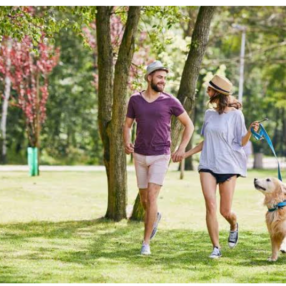
Use a sturdy standard leash and a properly fitted collar or harness suited to the individual dog. A harness may improve control or reduce neck pressure for some dogs, but fit matters because loose equipment can permit escape. Retractable leashes provide less immediate control in traffic or crowds, so keep dogs close near roads, doorways, and other animals. The CDC recommends using a leash in public to reduce injury and bite risks. Local leash requirements and building rules vary, so check the rules that apply where you live.
Navigating Crowds and Elevators
Watch for stress signals such as attempts to hide or escape, a tucked tail, flattened ears, trembling, or unusual panting. Move to a quieter area when possible and keep dogs close enough to avoid tangling or being stepped on. Before elevator doors close, confirm that the entire animal, leash, and carrier are inside. Carry a small dog only when it can be done safely, and keep cats in a fully closed carrier. For travel, the CDC recommends secure carriers or crates and following the transport provider’s rules. In shared hallways, use a leash or carrier to prevent uncontrolled encounters.
Preparing Dogs and Cats for Seasonal Weather Hazards
Weather risks depend on temperature, humidity, wind, exposure time, age, breed, coat, health, and activity level. Adjust outdoor routines to the individual animal rather than relying on one temperature rule.
Hot Weather Precautions
Never leave a pet in a parked vehicle, even with the windows cracked, because the interior can heat rapidly. Schedule walks during cooler periods, provide water and shade, and avoid prolonged contact with hot pavement. Short-nosed animals, senior pets, young animals, overweight pets, and those with heart or lung disease may overheat more easily. Excessive panting or drooling, weakness, vomiting, diarrhea, stumbling, collapse, or seizures can indicate heatstroke. Move the pet to a cooler area and contact a veterinary hospital immediately; do not use ice or very cold water unless a veterinarian directs it.
Cold Weather Safety
Limit outdoor exposure when cold, wind, snow, or ice is severe for your pet’s age, size, coat, and health. Sidewalk salt and ice-melting products can irritate paws or cause illness if licked, so consider well-fitted booties or wipe and dry paws after walks. Antifreeze is a poisoning hazard. Store it securely, avoid spills, and call a veterinarian or poison-control service immediately after suspected contact or ingestion. Shivering, weakness, confusion, or unusual lethargy warrants prompt veterinary advice.
How Routine Veterinary Exams Support Long-Term Pet Safety
Regular veterinary care helps establish what is normal for an individual pet and may identify disease before signs become obvious. Preventive plans should reflect species, age, health, lifestyle, and local exposure risks.
The Role of Annual Check-ups
The American Animal Hospital Association and American Veterinary Medical Association recommend veterinary checkups at least yearly for dogs and cats, with more frequent visits often appropriate for senior animals or pets with medical needs. The veterinarian can assess the eyes, ears, mouth, heart, lungs, abdomen, mobility, weight, and behavior; readers can visit website for additional information, and the veterinarian can then tailor follow-up care. Examination frequency should therefore be individualized rather than treated as a fixed rule for every pet.
Managing Vaccinations, Parasite Prevention, and Dental Care
Vaccination plans should distinguish core vaccines from those based on lifestyle and individual risk. Other vaccine choices should follow the veterinarian’s assessment rather than a single schedule for every animal. Rabies vaccination also has a legal component: the CDC directs veterinarians to vaccinate dogs, cats, and ferrets according to local law and notes that schedules vary by product and state.
The Companion Animal Parasite Council recommends year-round broad-spectrum parasite control but also directs veterinarians to account for local prevalence, lifestyle, health, and the product label. Products do not all use a monthly schedule, and a dog product may be dangerous to a cat. Use only products selected for the correct species and follow veterinary and label instructions.
Dental disease can cause pain and infection and may be difficult for owners to recognize early. Veterinary oral examinations, professional treatment when indicated, and home care such as brushing with pet-appropriate products can reduce risk. Persistent bad breath, difficulty eating, bleeding, swelling, or loose teeth should prompt veterinary evaluation.
Recognizing Early Signs That a Pet May Be Sick or Injured
Routine care does not replace daily observation. Changes from the pet’s normal behavior or physical condition can be the first indication that veterinary advice is needed.
Behavioral Cues
Watch for sustained changes in appetite, thirst, sleep, activity, social behavior, litter-box or toilet habits, vocalization, grooming, or tolerance of touch. Hiding, restlessness, sudden aggression, fear, straining, or repeated attempts to urinate may reflect pain or illness. The significance depends on the animal and accompanying signs, so contact the veterinarian when a change is persistent, sudden, or concerning.
Physical Indicators
Vomiting, diarrhea, coughing, limping, swelling, discharge, wounds, eye changes, or coat changes can have minor or serious causes. Contact a veterinarian promptly when signs are sudden, repeated, worsening, or accompanied by pain, weakness, blood, dehydration, or altered behavior. Difficulty breathing, blue or gray gums, collapse, severe trauma, sudden paralysis, or unresponsiveness require immediate emergency care.
Understanding the Difference Between First Aid, Urgent Care, and Emergency Care
The appropriate response depends on severity, duration, cause, age, medical history, and associated symptoms. When uncertain, call a veterinarian or emergency hospital for triage rather than relying only on a general symptom list.
Immediate First Aid at Home
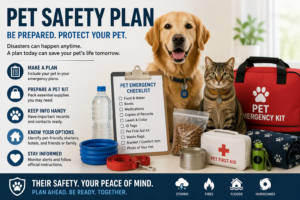
First aid is temporary support while professional care is arranged, not a substitute for veterinary treatment. Apply firm pressure with clean material to active bleeding and move an injured animal carefully. A frightened or painful pet may bite, but do not muzzle a pet that is vomiting. Use only veterinarian-approved supplies. The AVMA advises owners not to induce vomiting or give medication unless directed by a veterinarian or poison-control professional. A basic kit can include contact numbers, records, gloves, gauze, nonstick dressings, self-adhering tape, clean towels, and saline solution.
Urgent Care Scenarios
Urgent care may be appropriate for a stable pet with a minor wound, new limp, mild gastrointestinal signs, or persistent cough, but there is no universal 24-hour rule. Call a veterinarian promptly for individualized triage. Age, repeated vomiting or diarrhea, blood, pain, reduced drinking, dehydration, toxin exposure, breathing changes, or rapid worsening can make the same symptom an emergency.
Emergency Care Situations
Seek emergency veterinary care for difficulty breathing, severe trauma, uncontrolled bleeding, collapse, unresponsiveness, repeated seizures, sudden paralysis or extreme weakness, a rapidly distending abdomen, suspected poisoning, or persistent severe vomiting or diarrhea. Inability or repeated unsuccessful attempts to urinate can be life-threatening, particularly in cats; constipation alone requires a different assessment unless severe signs are present. Begin transport without delay when the animal is unstable. When it will not slow departure, call the emergency hospital so staff can prepare, or call the regular veterinarian for immediate direction and transfer of records.
Creating a Pet Emergency Plan With Transport, Records, and Veterinary Contacts
Using a checklist and having a written plan reduces delays during an emergency and helps another caregiver act when the owner is unavailable.
Establishing Veterinary Contacts and Knowing Your Options
Keep current contact details for the regular veterinarian, nearby emergency hospitals, and an animal poison-control service in your phone and in an accessible paper copy. Confirm locations, hours, intake procedures, and alternative routes periodically. Plan transport before it is needed, including a secure carrier or restraint and a pet-permitted taxi or ride service if you do not drive.
Service-animal access rights and ordinary pet policies are not the same, so confirm the provider’s rules for non-service animals. The Americans with Disabilities Act generally requires covered entities to modify no-pet policies for qualifying service animals, but it does not turn an ordinary pet into a service animal.
Medical Records and Emergency Contact Information
Maintain accessible copies of vaccination records, current medications, allergies, major diagnoses, recent test results, and the microchip number. Keep microchip registration and contact information current. Identify a trusted person who can transport or care for the pet and make sure that person can find the carrier, records, medicines, and emergency contacts.
The CDC recommends keeping identification current, placing a leash or carrier near the exit, and including veterinary records in emergency planning. City living can be safe and rewarding for dogs and cats when prevention and preparation are part of the routine. Secure common hazards, use reliable equipment, observe changes early, and know where to obtain professional help. A practical plan cannot prevent every emergency, but it can reduce avoidable risk and save time when prompt care matters.