A dog depends on its owner for food, exercise, health care, and guidance every day of its life. That commitment can last well over a decade, so responsible dog ownership requires far more than affection. You’ll need to understand your dog’s physical and emotional needs while also protecting neighbors, visitors, and other animals.
Meet Your Dog’s Everyday Needs
Provide clean water at all times and serve food in portions suited to your dog’s age, size, and activity level. Table scraps can add unnecessary calories, while some common foods are unsafe for dogs, impacting their overall health. Ask your veterinarian what type and amount of food will support a healthy weight.
Dogs also need daily exercise and social contact. A brisk walk may suit one dog, while another might need several shorter outings due to age or mobility limits. The responsibilities of dog ownership include giving dogs suitable opportunities to rest, play, and interact with people. Pay attention to changes in appetite, energy, or bathroom habits since these can be early signs of illness.
Prevent Bites and Other Harm
Supervise your dog around children, guests and unfamiliar animals. Even a friendly dog may react when frightened, cornered, or disturbed while eating. Watch for warning signs such as a stiff posture, repeated lip licking, tucked tail, or attempts to move away. Give the dog space before the situation escalates.
Use a secure leash in public and check fences regularly for loose boards or gaps. If your dog has already shown fearful or reactive behavior, contact a qualified trainer or veterinary behavior professional. When someone suffers an injury, that person may speak with a dog bite lawyer about liability rules, claim deadlines, and possible compensation. Prevention protects everyone, including the dog.
Keep Up With Health Care
Schedule routine veterinary visits even when your dog seems healthy. Preventive exams can identify dental disease, skin problems, weight changes, and other concerns before they become harder to treat. Your veterinarian can recommend an appropriate schedule for vaccinations, parasite prevention, and dental care based on age and lifestyle.
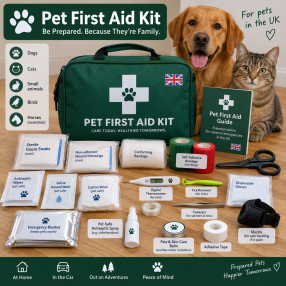
Prepare for unexpected expenses too. Set aside money for urgent care or consider pet insurance after reviewing exclusions, deductibles, and reimbursement limits. Keep your veterinarian’s phone number and the nearest emergency clinic’s details somewhere easy to find. A basic record containing medication names, allergies, and recent treatment dates can save valuable time when another person must care for your dog.
Teach Skills That Support Safety
Training gives you and your dog a shared way to communicate. Start with practical cues such as come, wait, leave it, and drop it. Practice for a few minutes at a time in a quiet room, then gradually introduce mild distractions. Reward the behavior you want with treats, praise, or play.
Consistent household rules also prevent confusion. If jumping on visitors is discouraged, every family member should respond in the same calm way. The American Kennel Club’s responsible owner tips cover identification, training, and daily care ideas that families can adapt to their circumstances. For persistent fear, guarding, or reactivity, seek professional help early instead of waiting for the behavior to worsen.
Plan for Home and Community Life
Responsible ownership extends beyond your front door. Pick up waste on walks, prevent prolonged barking, and don’t allow your dog to approach strangers without permission. Follow local rules covering registration, identification, and leash use. A collar tag with a current phone number helps someone contact you quickly, while a registered microchip provides backup if the collar comes off.
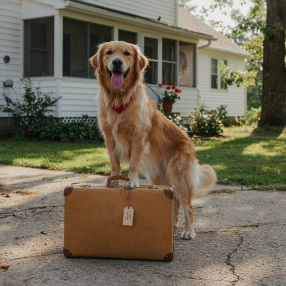
Make plans for disruptions as well. Choose a trusted person who can care for your dog during an illness or emergency, and provide written instructions for meals, medication, and routines. When traveling, confirm that accommodations accept dogs before leaving home.
Your dog’s needs will change with age. Revisit exercise, diet, and home access after each veterinary checkup, especially if stairs become difficult or recovery takes longer. A non-slip mat near the food bowl or a shorter walking route may be a small adjustment, but it can make daily life safer and more comfortable for an older companion.