Image Credit: Unsplash
A microchip gives a lost pet a valuable route home, but it can’t display your phone number to the person standing beside your dog or cat. A successful scan also depends on the right equipment, careful technique and accurate registry records.
That makes microchipping one part of a practical pet identification plan. Pairing it with visible contact details gives neighbors, shelter staff and veterinary teams more than one way to reach you quickly.
How Microchips Actually Function
A pet microchip is a tiny radio-frequency identification device placed beneath the skin by a veterinary professional. It doesn’t contain a battery, track location or transmit continuously. General microchip basics explain how small electronic components can store and communicate information, though pet chips use a specific passive identification system.
When a compatible scanner passes over the pet, radio energy activates the chip and reveals its unique number. Staff then use that number to search a registry for the owner’s contact information. The chip itself usually holds an identification code, not your name, address and phone number. A person who finds your pet must have access to a scanner and the correct registry before contacting you.
Common Scanner Malfunctions and Gaps
Scanning can fail even when a pet has a working microchip. The scanner may have a low battery, support different frequencies or pass too quickly over the animal. Chips can also shift slightly from their original placement, so trained staff usually scan the neck, shoulders and nearby areas more than once.
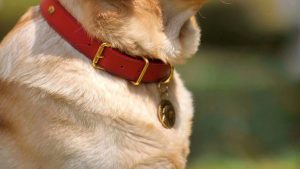
Guidance on microchip malfunctions also shows why owners should ask for a routine scan during veterinary visits. Confirm that the number appears correctly before an emergency occurs. Since a neighbor may not reach a clinic or shelter immediately, visible pet identification bands can provide a direct contact method while the microchip remains a permanent backup.
Why Visual Contact Details Win
Visible identification saves time because the finder doesn’t need special equipment. If your dog slips through an open gate, someone on the next block can read a phone number and call you within minutes. A cat found hiding under a porch may return home without entering an unfamiliar shelter. Choosing practical identification equipment also matters, as explained in this guide to pet ID and safety gear, which covers readable collar tags and comfortable everyday options.
Keep the information simple and readable. Include at least one current mobile number and consider adding a second trusted contact. Check the lettering regularly for fading, dirt or wear. Contact details should remain visible without causing discomfort, so choose identification that fits correctly and suits your pet’s size. If your pet has medical needs, a brief note can alert the finder to call promptly without displaying sensitive details.
The Danger of Outdated Registries
A readable chip number leads nowhere useful when its registry entry contains an old phone number or address. Moving homes, changing mobile providers and adopting a pet from another household can all create gaps. Owners sometimes assume that a veterinary clinic automatically updates the national registry, but clinics and registries often maintain separate records.
Locate your pet’s microchip paperwork and confirm which registry holds the record. Log in or contact the provider to check your name, phone number, email address and alternate contact. Review the entry after every move or phone change, then verify it at least once a year. If you adopted your pet, make sure ownership was formally transferred instead of relying on the previous keeper’s details.
Creating a Layered Defense System
A reliable reunion plan combines permanent identification, visible details and current photos. Ask your veterinarian to scan the microchip at regular checkups, maintain the registry record and inspect your pet’s visible identification for wear. Store the chip number and registry contact details somewhere you can reach from your phone.
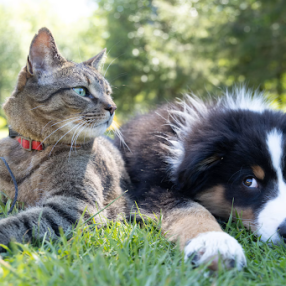
Keep clear photos showing your pet’s face, coat markings and full body. If your pet goes missing, those images can help neighbors and local animal care teams identify the right animal. Check gates, carriers and window screens too, since identification works best alongside sensible prevention.
The strongest final check takes less than a minute: read the visible phone number exactly as a stranger would, then call it to confirm that it still reaches you.