Laser therapy and surgery are now common in veterinary clinics, offering advanced options for pet care. However, the power of medical lasers means eye safety must be a priority for both animals and clinic teams. Specialized eye protection for pets, staff, and veterinarians reduces the risk of injury during these procedures.
Veterinary laser technology provides significant benefits for treating animals but introduces specific safety concerns, especially for the eyes. The concentrated light from therapeutic or surgical lasers can cause harm if proper precautions are not taken. For this reason, clinics have developed strong protocols for eye protection, applying them not just to staff, but to pet patients as well.
The need for eye protection in veterinary laser procedures
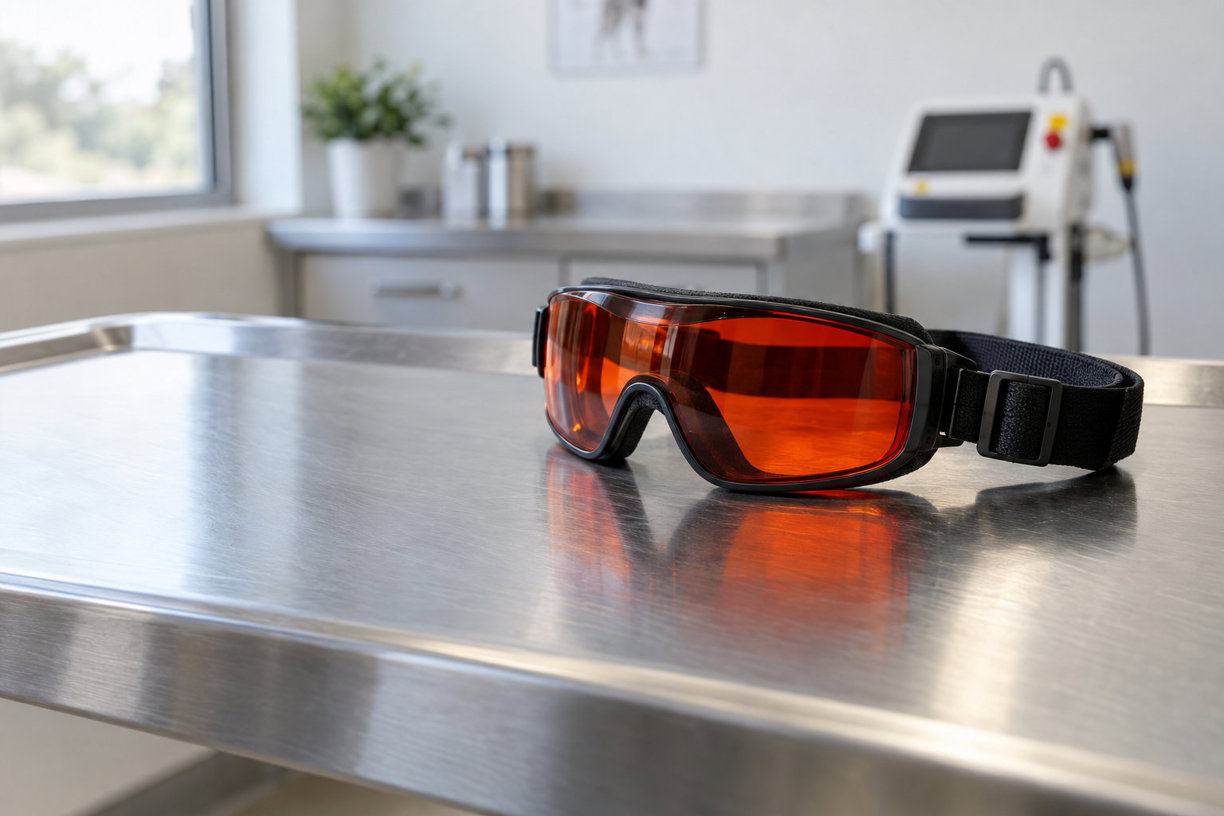
Lasers in veterinary medicine emit highly focused light at specific wavelengths, which can be therapeutic or surgical. Even brief or accidental exposure poses a threat to the sensitive tissues of animal eyes, particularly when lasers are used near the head or reflective surfaces are present in the clinic. For example, light can bounce off stainless steel tables or glass cabinets, making protection essential even when the beam is not directly aimed at a pet’s face.
Both pets and people in the treatment area need effective protection designed for the specific type of laser and wavelength being used. Veterinary staff wear approved safety eyewear, while animals require solutions adjusted to their size and anatomy. The risk of injury is highest during head and facial treatments or when clinics use high-powered or long-session devices, making a consistent approach to eye protection vital for every appointment.
How eye protection works for animals, staff, and clinics
Eye protection for animals goes beyond a simple blindfold. Pet eyewear must filter out the precise wavelength of the laser, provide enough optical density to block dangerous light, and fit securely across a range of breeds and head shapes. Products like PetSpex Laser Goggles are developed to meet these strict requirements. For instance, veterinary clinics rely on adjustable straps and available sizes to accommodate dogs with short snouts, such as bulldogs, or breeds with long, narrow faces like collies.
Comfort and fit are critical. If a pet finds the eyewear uncomfortable, they may try to remove it or become agitated, increasing the risk of exposure. Veterinary teams are trained to introduce eyewear gently and monitor pets closely throughout the procedure, making real-time adjustments to keep protection in place. Staff, meanwhile, select safety eyewear rated for the clinic’s devices and take responsibility for shielding reflective surfaces to minimize any stray laser reflections. A team member will monitor all participants and the environment for safe practice during every step.
Fitting and using pet laser goggles in clinic settings
Fitting eye protection correctly for dogs and cats can present challenges due to the diversity of animal head shapes and behaviors. Veterinary teams often customize the fit using padding or adjustable straps and take extra care when treating around sensitive areas. For example, a short-snouted pug will need a different adjustment compared to a long-faced collie. Cats may require lightweight designs or careful placement to avoid disturbing facial whiskers or injured areas.
Veterinary clinics use patient-specific approaches to ensure that the goggles remain effective throughout therapy or surgery. Devices such as dog laser goggles are specially designed to provide protection against the laser’s wavelength, with options for different breeds and procedures. Many practices also standardize PetSpex Laser Goggles for laser rooms to simplify staff preparation and patient fitting. Reinforcing gentle restraint and positive handling makes it more likely that pets will tolerate goggles, reducing stress and maintaining safety for the entire session.
Clinic safety protocols and ongoing protection
Establishing a safe environment begins with well-defined protocols, clear communication among staff, and ongoing training. Clinics regularly assess rooms for reflective surfaces, supervise the use and fit of both patient and staff protective eyewear, and check all equipment before each session. These measures help prevent unexpected exposures by addressing the many ways laser light might reach an unprotected eye, whether through direct contact or reflections.
Integrating eye protection into daily clinic routines helps safeguard animals, veterinary professionals, and owners present in treatment areas. Many teams document eyewear selection by procedure, including when PetSpex Laser Goggles are indicated for specific wavelengths and power settings. Advances in protective devices and consistent practice mean that pets can benefit from effective laser therapy with greater assurance of safety for their vision and overall health.